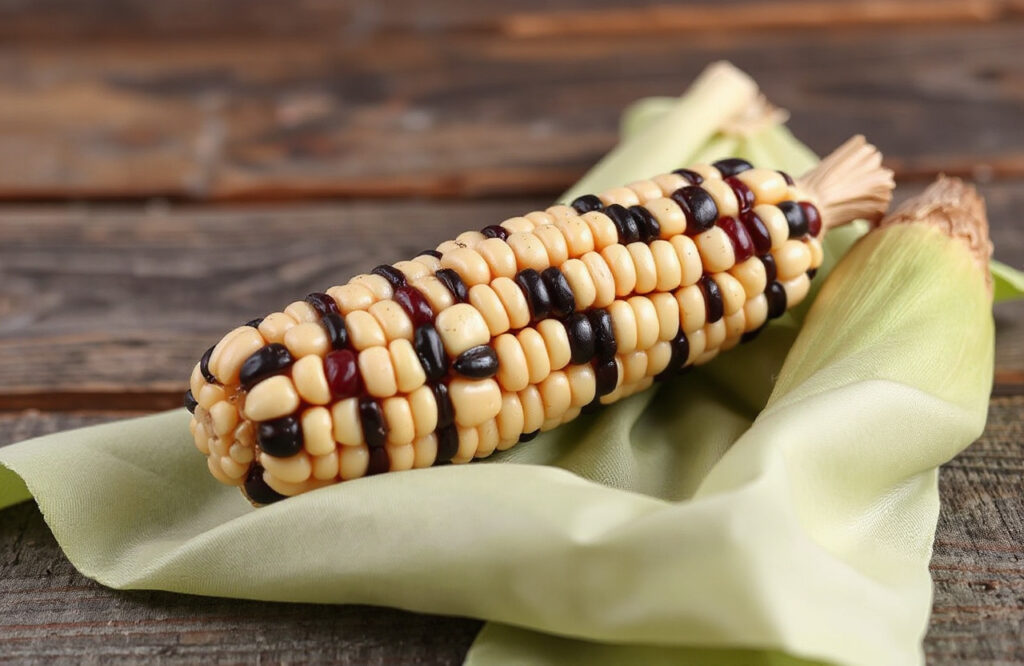
Corn Silk: Nature’s Golden Fibers
Introduction to Corn Silk
Corn silk refers to the golden fibers found on the corn cob, which are essential for pollination and reproductive purposes. Beyond its role in agriculture, corn silk has significant importance in traditional medicine and naturopathy.
Health Benefits of Corn Silk
Corn silk has been associated with various health benefits, making it a valuable component in traditional medicine. Here are some notable uses:
1. UTI and Kidney Stones
Corn silk promotes diuresis, or urine formation, which aids in treating urinary tract infections (UTIs) and kidney stones.
2. Blood Sugar Control
It is believed that corn silk can help regulate blood sugar levels.
3. Blood Pressure Management
Traditionally, corn silk has been utilized to manage hypertension.
4. Treating Skin Ailments
Topical applications of corn silk can alleviate inflammation and rashes on the skin.
5. Management of Inflammatory Conditions
Due to its strong anti-inflammatory properties, corn silk may help manage conditions such as gout and arthritis.
6. Blood Clotting Support
Rich in Vitamin K, corn silk plays a crucial role in blood clotting, which helps prevent excessive bleeding from injuries.
These examples illustrate some of the known uses of corn silk; however, further research is needed to uncover additional benefits.
Active Components in Corn Silk
The medicinal properties of corn silk are attributed to several active components, which can vary depending on the corn variety. Key ingredients include:
1. Flavonoids
These potent antioxidants contribute to corn silk’s health benefits.
2. Terpenoids
Biologically active compounds that require further study to fully understand their medicinal contributions.
3. Alkaloids
Organic compounds with potential health benefits.
4. Vitamins and Minerals
Corn silk is a rich source of Vitamin K, Vitamin C, potassium, and calcium.
5. Protein and Amino Acids
Essential for various physiological processes in the body.
6. Polysaccharides
Complex carbohydrates that enhance the diuretic properties of corn silk.
The presence of these active components accounts for the medicinal qualities of corn silk, warranting further investigation into their specific roles.
How to Use Corn Silk
Corn silk can be utilized for medicinal purposes in several ways:
1. Corn Silk Tea
Boil fresh or dried corn silk in hot water for 5 to 10 minutes. Strain the liquid and drink the tea 2-3 times a day for optimal benefits, but avoid consuming it before bedtime.
2. Corn Silk Tincture
Soak fresh corn silk in alcohol or glycerin for several weeks. Dilute the concoction with water for use in small amounts.
3. Corn Silk Compress
Prepare a compress using fresh or dried corn silk to soothe inflammation. Alternatively, corn silk powder or capsules can be purchased for convenience.
Storage of Corn Silk
To maintain freshness, separate corn silk from the cob and store it in an airtight container. For longer storage, sun-dry the silk for a few days.
Timeframe for Effects
Corn silk should be consumed in small amounts consistently over time. Regular intake may yield effects within a few weeks, while topical preparations like tinctures and compresses may show results more quickly.
Safety Considerations
While corn silk has potential health benefits, it requires further evaluation to understand its properties and possible side effects. It is advisable to consult a certified doctor before using corn silk for medicinal purposes. Key safety issues include:
1. Allergies
Individuals may have allergies to corn silk.
2. Pregnancy and Lactation
Pregnant or lactating women should avoid corn silk, as it may stimulate uterine contractions.
3. Diabetes Medication Interaction
Corn silk may lower blood glucose levels, potentially interfering with diabetic medications.
4. Blood Thinner Interference
Corn silk can affect the activity of blood thinners.
Conclusion
Corn silk is a versatile natural remedy with various health benefits, but its use should be approached with caution and under professional guidance. Further research into its properties is necessary to fully harness its potential.