Scientific Examination of Nature Play in Australia
Introduction to Nature Play
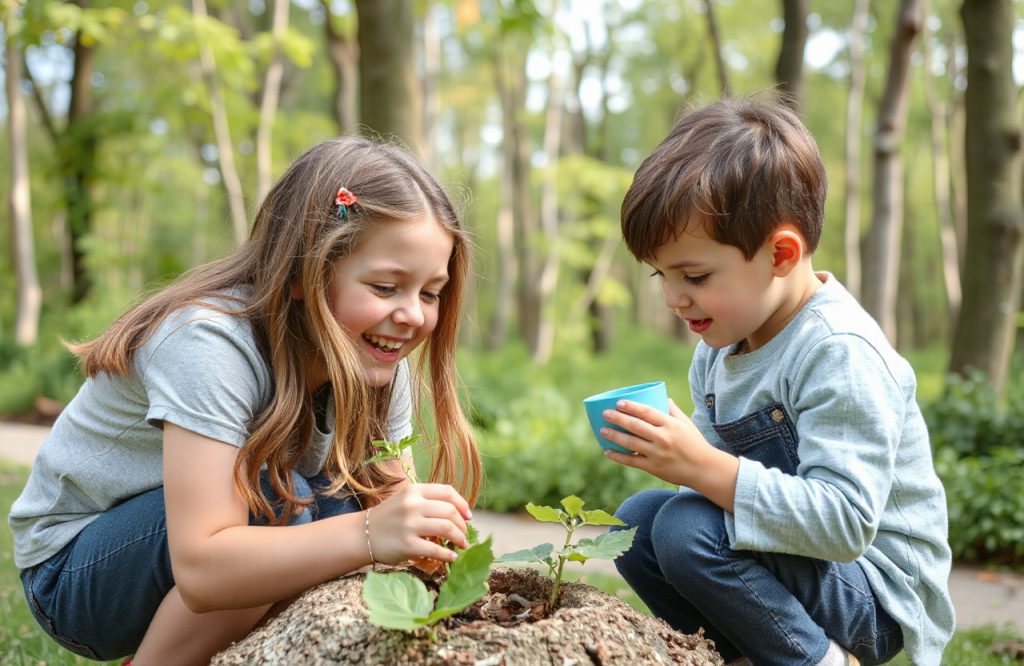
Recent research conducted in Australia has sought to evaluate the scientific basis for the growing trend and perceived advantages of nature play in children’s playgrounds. Unlike traditional playgrounds, which typically feature equipment like slides and swings, nature play areas incorporate natural elements such as rocks, ponds, gardens, and trees. The premise behind nature play is that such environments promote increased physical activity and foster psychological and social resilience in children. Existing studies suggest that nature play positively influences cognitive and social development, academic achievement, and mental well-being.
Systematic Review of Nature Play Studies
In light of these claims, Australian researchers have undertaken the first comprehensive review of existing literature on nature play, aiming to ascertain the genuine benefits it offers to children.
Methodology of the Review
To gather relevant studies, the researchers conducted an extensive search across seven databases: MEDLINE, ERIC, Embase, PsycINFO, The Cochrane Library, The Joanna Briggs Institute, and Emcare. They specifically looked for studies that fulfilled these criteria:
1. Focused on children aged 2–12 years without health or developmental issues.
2. Investigated unstructured, free play in natural settings (e.g., forests, gardens, outdoor spaces).
3. Included natural elements in the environments studied (e.g., vegetation, rocks, mud, sand, water).
Through this search, which encompassed 2,927 peer-reviewed studies, the researchers identified 16 studies that met their criteria.
Confirmed Benefits of Nature Play
The review highlighted several benefits associated with nature play, including enhancements in:
– Physical activity levels
– Overall fitness
– Motor skills
– Learning capabilities
– Social and emotional development
Additionally, the findings indicated potential improvements in:
– Cognitive outcomes, such as attention span and concentration
– Punctuality
– Ability to settle in class post-play
– Types of play, including constructive, social, imaginative, and functional play
Study Limitations and Challenges
The researchers acknowledged significant limitations within their review. Some studies exhibited quality concerns, such as inadequate sampling methods, and many did not clarify whether participants had pre-existing medical conditions. Furthermore, comparing the studies was challenging due to the diverse benefits each focused on, preventing the possibility of a true meta-analysis. Consequently, the researchers opted for a descriptive comparison of the 16 studies. The presence of language bias was also noted, as some studies originated from non-English speaking countries.
The Need for Future Research
Given the methodological issues identified in this review, any conclusions regarding the benefits of nature play should be approached with caution. There is a pressing need for future studies on nature play to be designed and executed with rigor. Establishing a universal definition of what constitutes nature play would be a beneficial initial step in this ongoing research effort.
Reference
Dankiw KA, Tsiros MD, Baldock KL, Kumar S (2020) “The impacts of unstructured nature play on health in early childhood development: A systematic review.” PLOS ONE 15(2): e0229006. https://doi.org/10.1371/journal.pone.0229006
Image by Pezibear from Pixabay