Exploring the Effects of Tai Chi on Brain and Muscle Function in Aging
Introduction to the Study
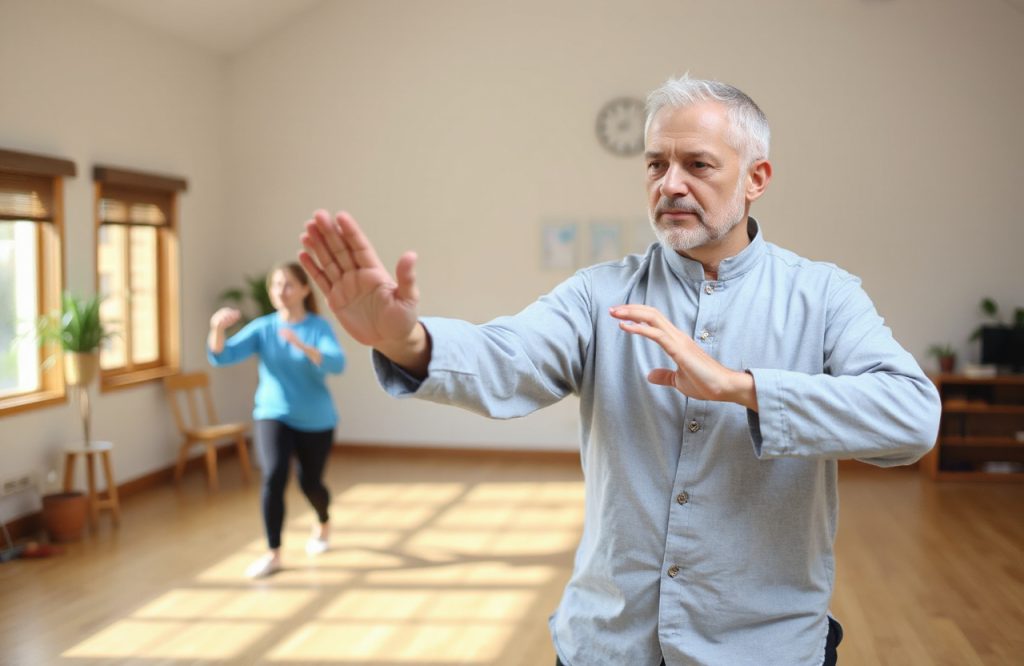
Researchers conducted a pilot study to examine the physiological mechanisms through which tai chi influences brain and muscle function in older adults. Tai chi is recognized as a moderate-intensity aerobic exercise that emphasizes concentration and breathing control. Previous research has indicated that aerobic fitness positively impacts neuronal integrity and viability.
Benefits of Tai Chi
Tai chi has been shown to enhance muscle strength, particularly in the lower limbs, affecting knee flexors and quadriceps. Additionally, numerous studies have linked tai chi to improved cognitive function and neuroplasticity. These findings have prompted the scientific community to consider tai chi as a potential therapeutic intervention for various physical and psychological disorders, including stroke, Parkinson’s disease, traumatic brain injury, and depression.
Understanding Mechanisms of Tai Chi
Despite the known benefits of tai chi, the specific mechanisms behind its positive effects remain largely unexplored. To gain insights into these mechanisms, researchers emphasize the need for non-invasive, objective measures to assess physiological changes in both the brain and body during tai chi practice.
Methodology of the Pilot Study
Magnetic Resonance Spectroscopy
The recent pilot study aimed to measure changes in brain metabolites and muscle energetics among older adults participating in tai chi. Researchers employed combined brain-muscle magnetic resonance spectroscopy (MRS), with their findings published in the Journal of Neuroimaging.
Magnetic resonance spectroscopy (MRS) serves as a tool to analyze naturally occurring chemicals within the body’s tissues. Proton magnetic resonance spectroscopy (H-MRS) specifically measures metabolite concentrations in the brain, which aids in understanding biochemical processes.
Assessment of Neuronal Health
Previous studies have shown that the health of nerve cells can be evaluated by measuring N-acetylaspartate (NAA), a metabolite predominantly found in neuronal cell bodies. NAA levels are crucial as decreases indicate neuronal loss, a common factor in various neurological conditions such as Alzheimer’s disease and multiple sclerosis.
For muscle tissue analysis, P-MRS quantifies mitochondrial function by assessing phosphocreatine (PCr) recovery rates post-exercise. This recovery time serves as an indicator of skeletal muscle mitochondrial metabolism and ATP synthesis during recovery.
Findings from the Tai Chi Training
Participant Recruitment and Training
The study involved the prospective recruitment of healthy older adults from a community center. Participants aged 55 and older, who had not engaged in tai chi training for the past year and were willing to commit to a 12-week program, were selected.
Participants underwent tai chi training led by a certified instructor at the Greater Boston Golden Age Centre in Boston, Massachusetts. Each participant attended a minimum of two 60-minute sessions per week. H- (brain) and P- (muscle) MRS scans were performed before and after the training period, focusing on the posterior cingulate gyrus of the brain due to its sensitivity to various diseases.
Impact of Tai Chi on Brain and Muscle Metrics
The results revealed that participants who completed 12 weeks of tai chi training showed significant increases in NAA/Cr ratios in the posterior cingulate gyrus, along with improved PCr recovery times in the leg muscles. The cingulate gyrus plays a vital role in emotional processing and behavior regulation.
These findings suggest that tai chi may promote neuroplasticity and enhance muscle oxidative capacity in the lower extremities of older adults.
Limitations and Future Research Directions
Study Limitations
One limitation of this study is its small sample size, which restricts the generalizability of the results to the broader population. The authors recommend conducting further research with a larger, more representative sample. Additionally, incorporating different control groups to compare tai chi with other exercise modalities such as aerobic exercises or yoga could yield more comprehensive insights into the effects of tai chi training.
Connection to Previous Research
Prior research has demonstrated that higher aerobic fitness levels in older adults correlate with increased NAA levels in the frontal cortex. Similarly, individuals engaged in endurance training exhibited significantly higher NAA/Cr levels in their frontal grey matter. These findings reinforce the notion that participating in any form of physical fitness, regardless of intensity, may confer neurological health benefits to aging populations.
Conclusion
The study, conducted by Sara Alvarado BSc, MPH, highlights the potential of tai chi as a beneficial exercise for older adults, emphasizing its role in promoting brain health and muscle function.
Reference: Zhou, M., Liao, H., Sreepada, L., Ladner, J., Balschi, J., Lin, A. (2018). Tai Chi improves brain metabolism and muscle energetics in older adults. Journal of Neuroimaging (00): 1-6, DOI: 10.1111/jon.12515.