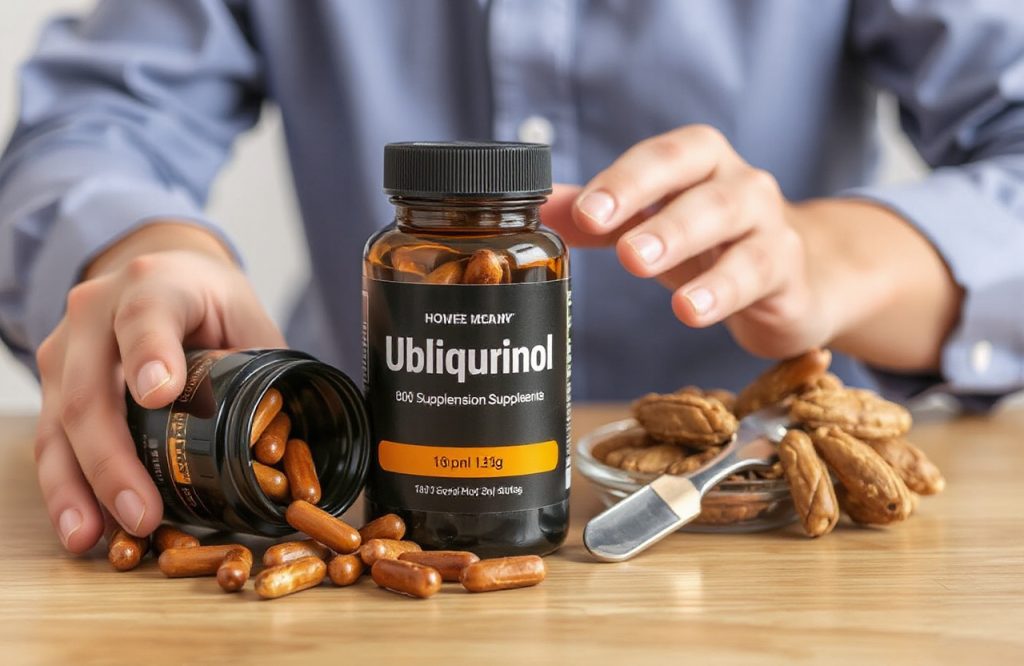
Exploring Ubiquinol Benefits for Type 2 Diabetes
Introduction to Type 2 Diabetes and Oxidative Stress
Recent advancements in liquid ubiquinol supplements have prompted researchers to investigate their potential benefits for individuals with type 2 diabetes. This condition has become increasingly common globally, highlighting its significance as a public health concern. A contributing factor to type 2 diabetes is oxidative stress, which arises from an excess of reactive oxygen species (ROS) in the body. These molecules can damage healthy cells and impair their function. In the context of diabetes, oxidative stress can disrupt insulin signaling, leading to insulin resistance, elevated blood glucose levels, and various complications associated with the disease.
The Role of Ubiquinol in Combating Oxidative Stress
Ubiquinone, a nutrient found in the body, is converted into ubiquinol, which serves as an antioxidant. This conversion enables ubiquinol to counteract the harmful effects of ROS, thereby reducing oxidative stress. With the introduction of a new liquid ubiquinol dietary supplement, researchers sought to determine the specific benefits of ubiquinol supplementation for those with type 2 diabetes.
Details of the Clinical Study
In a recent publication in the British Journal of Nutrition, researchers from Taiwan presented findings from a double-blind, randomized, placebo-controlled trial involving adult patients diagnosed with type 2 diabetes. Participants were randomly assigned to either a placebo group or a liquid ubiquinol group, receiving a dosage of 33 mg three times daily before meals. Both the placebo and the supplement were designed to have identical appearance and taste to minimize bias. Compliance was monitored through the weighing of supplement bottles every four weeks.
The study involved gathering participant characteristics through questionnaires and medical records, alongside blood sample collection throughout the treatment period to evaluate blood glucose parameters, insulin levels, lipid levels, and antioxidant activity.
Significant Findings After 12 Weeks
After the 12-week intervention, researchers assessed the effects of liquid ubiquinol on glucose, lipid, and antioxidant levels in participants with type 2 diabetes. Notable results included a significant reduction in hemoglobin A1c (HbA1c) levels, indicating an improvement in blood sugar control. Participants in the ubiquinol group also exhibited slightly lower fasting glucose levels. Furthermore, the proportion of participants using thiazolidinediones, a class of diabetes medications, decreased significantly in this group.
While there was no observed change in total cholesterol or LDL-cholesterol levels among the ubiquinol group, the placebo group experienced a significant drop in HDL-cholesterol levels. Although markers of oxidative stress did not decrease in the ubiquinol group, antioxidant activity, including that of coenzyme Q10, was significantly enhanced.
Implications and Future Research Directions
Previous studies have indicated similar positive outcomes regarding glucose levels and HbA1c with ubiquinol supplementation; however, the researchers emphasize the need for further studies involving larger participant groups and extended study durations to validate these findings. Such research will also help establish an optimal dosage for ubiquinol supplementation.
In summary, liquid ubiquinol supplementation has the potential to aid in glucose control for individuals with diabetes and may complement existing diabetes medications. Moreover, the study suggests that ubiquinol may play a role in maintaining HDL-cholesterol levels and enhancing antioxidant activity in patients with type 2 diabetes, ultimately contributing to better insulin regulation.
Related Topics of Interest
– Impact of Fruit Consumption on Diabetes Risk
– Weight Loss Surgery vs. Medication for Obesity and Type 2 Diabetes
– Bread-Making Techniques to Lower Your Risk of Diabetes
– Is Oatmeal Good for Diabetics?
– Can Lentils Lower Blood Sugar Levels After a Meal?
Reference
Yen, C., Chu, Y., Lee, B., Lin, Y., & Lin, P. (2018). Effect of liquid ubiquinol supplementation on glucose, lipids and antioxidant capacity in type 2 diabetes patients: A double-blind, randomised, placebo-controlled trial. British Journal of Nutrition, 120(01), 57-63. doi:10.1017/s0007114518001241