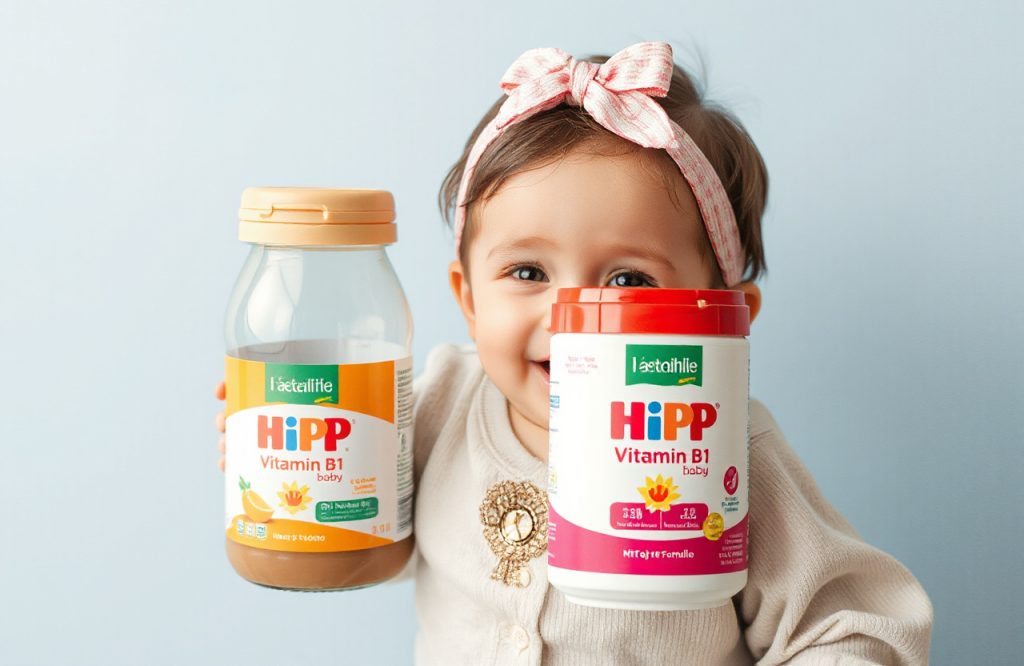
Choosing the Right Baby Formula: A Guide for New Parents
Understanding the Overwhelm
New parents often face numerous questions about what to feed their babies, especially with the vast array of baby formula options available. This abundance can be overwhelming. Where should parents begin? What factors should they consider when selecting a baby formula? It is natural for parents to desire the best for their child, leading to increased curiosity and caution regarding baby formulas.
The Role of Ingredients
Ingredients play a crucial role in baby formula. Understanding their purpose and benefits is essential for making informed choices. This article will explore Vitamin B1, its significance, and why it is included in HiPP baby formulas.
What Is Vitamin B1?
Overview of Vitamin B1
Vitamin B1, also known as Thiamine, is part of the B-complex vitamins. It is a water-soluble vitamin essential for human health and metabolism. Thiamine is critical for converting carbohydrates into energy and supporting the development and function of the nervous system.
Sources of Vitamin B1
Vitamin B1 can be found in various foods such as meat, poultry, fish, whole grains, nuts, and legumes. Fortified cereals and bread are also good sources. Additionally, it is available in supplement form. Ensuring that babies receive adequate Vitamin B1 can help prevent conditions such as Beriberi and Wernicke-Korsakoff syndrome.
The Importance of Vitamin B1 for Babies
Nutritional Needs of Babies
Complete nutrition is vital for babies’ growth and development. Insufficient nutrient intake can lead to health risks. A deficiency in Thiamine can put infants at risk for developing Beriberi, which is characterized by elevated lactic acid levels and can result in serious heart issues, including chest pain, cardiomegaly, and tachycardia.
Consequences of Thiamine Deficiency
Beriberi can severely impact the body’s functions, particularly the heart, and may lead to severe health complications or even death. If a pregnant woman lacks Thiamine, her baby is likely to experience a deficiency as well. Because some formulas do not contain this essential vitamin, it is crucial for parents to seek out formulas that include Vitamin B1. All HiPP baby formulas contain Thiamine, which supports healthy growth and developmental milestones.
How Vitamin B1 Supports Development
Key Functions of Vitamin B1
Vitamin B1 is necessary for a baby’s diet as it aids in the breakdown of carbohydrates and fats, providing energy for the body. Additionally, it supports red blood cell production and the development of the nervous system.
Sources of Vitamin B1 for Infants
Babies can obtain Thiamine from protein sources such as legumes, nuts, seeds, and whole grains. Certain meats and fish also provide Vitamin B1. However, many commercial formulas may not contain adequate levels of this vitamin. In some cases, doctors recommend that parents provide their infants with daily Vitamin B1 supplements alongside B1-rich foods.
Special Considerations for Premature Babies
Premature infants or those with existing medical conditions may have a heightened risk of Thiamine deficiency. Therefore, it is advisable for parents to consult with a healthcare provider before introducing any supplements.
Conclusion
HiPP Dutch Stage 2 baby formula includes Vitamin B1 (Thiamine) to support healthy growth and development in infants. For parents seeking a formula that encompasses essential nutrients, HiPP baby formula is an excellent choice.
The editorial staff of Medical News Bulletin had no role in the preparation of this post. The views and opinions expressed in this sponsored content are those of the advertiser and do not reflect those of the Medical News Bulletin. Links to external websites are provided for convenience and do not imply endorsement by Medical News Bulletin. Use of third-party websites is at your own risk and is subject to their terms and conditions. Medical News Bulletin does not provide specific medical advice, diagnosis, or treatment and disclaims any liability.