Could Alternative Medicine Contribute to the Future of Drug Development?
The Role of Essential Oils in Medicine
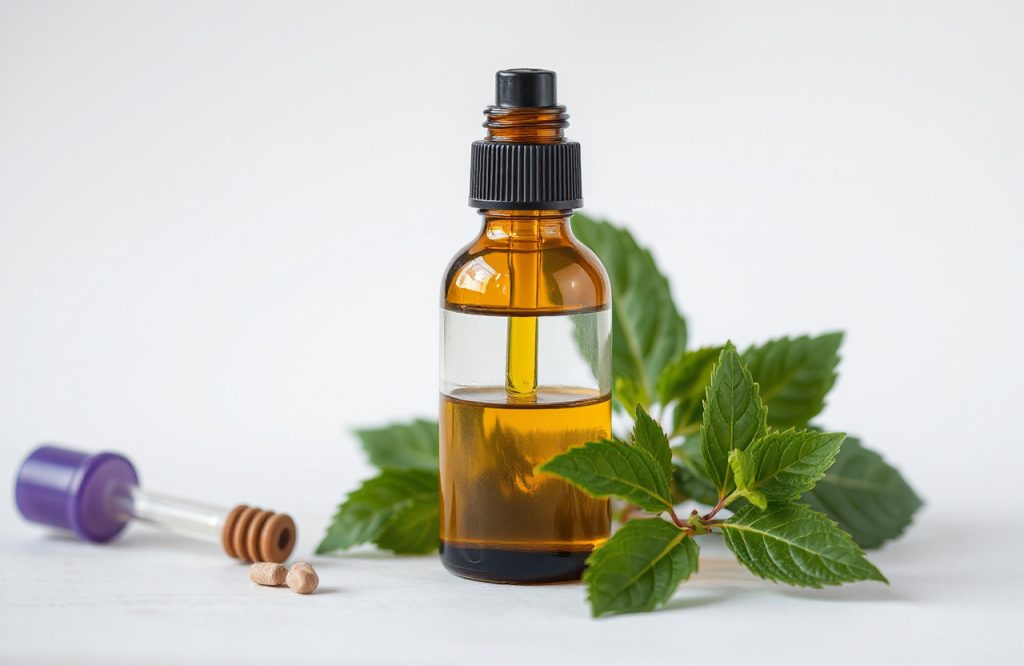
Essential oils, including lavender and peppermint oil, have been utilized for their therapeutic properties for centuries. However, with the emergence of modern medicine, these oils transitioned from primary treatment options to components of alternative or complementary medicine. Recent clinical trials have demonstrated the beneficial effects of certain essential oils, prompting further investigation.
New Study Insights
A recent study published in *Nature* examines whether the components of essential oils could serve as untapped pharmacological resources. This research specifically targets the drug development process, which necessitates the evaluation of numerous potentially beneficial compounds. Pharmaceutical companies have established efficient methodologies to narrow down these compounds to viable drug candidates, one of which is the use of Drug Discovery Filters (DDFs).
Understanding Drug Discovery Filters
DDFs consist of a series of tests designed to assess whether a molecule possesses the necessary physical and chemical properties to be considered a medicinal compound. These properties are collectively known as Drug Discovery Parameters (DDPs). The failure to meet these DDPs has been a significant reason for the lack of attention towards essential oil compounds in drug discovery.
Research Methodology
The study aimed to evaluate essential oil components (EOCs) against DDP criteria to determine if their exclusion from drug discovery is warranted. Researchers compared the DDPs of commercially available essential oil components to established DDFs and examined how these components measure up against existing drug compounds in terms of key physical and chemical attributes.
Study Findings
A total of 175 different essential oils were analyzed, resulting in the identification of 6,142 essential oil components. After removing duplicates, there were 627 unique components. The suitability of these components as potential drugs was assessed based on four qualities: bioavailability, lead-likeness, fragment-based drug discovery, and drug-likeness.
Bioavailability and Lead-Likeness
All 627 essential oil components successfully passed the DDF for bioavailability, with an impressive 94% of individual components also meeting this criterion. This indicates that essential oil components can effectively enter the bloodstream upon administration. Lead-likeness, which assesses fat solubility and molecular mass, showed that most essential oil components also passed this DDF.
Fragment-Based Drug Discovery
In the fragment-based drug discovery evaluation, only 32% of essential oil components met all five criteria, indicating a challenge in this area. Conversely, the drug-likeness test, which compared the chemical structures of essential oil components with existing drugs, yielded positive results with 60% passing the DDF.
Overall Results and Implications
Out of the 627 essential oil components, only nine did not pass any DDF variant, while eight successfully passed all DDFs. Notably, approximately 94% of the tested components passed at least four out of six DDFs, which is a favorable comparison to the two-thirds of approved drugs achieving a similar benchmark. However, it is important to note that six times more approved drugs passed all DDFs compared to essential oil components.
Conclusion
The findings present promising evidence that essential oils may represent an underutilized source for drug development. Despite alleviating concerns regarding their physical and chemical properties, numerous challenges remain in the drug development process. Additional research is essential before incorporating more essential oil components into pharmacological applications.
Reference
Feyaerts AF, Luyten W, Van Dijck P. Striking essential oil: tapping into a largely unexplored source for drug discovery. Sci Rep. 2020;10(1):2867.