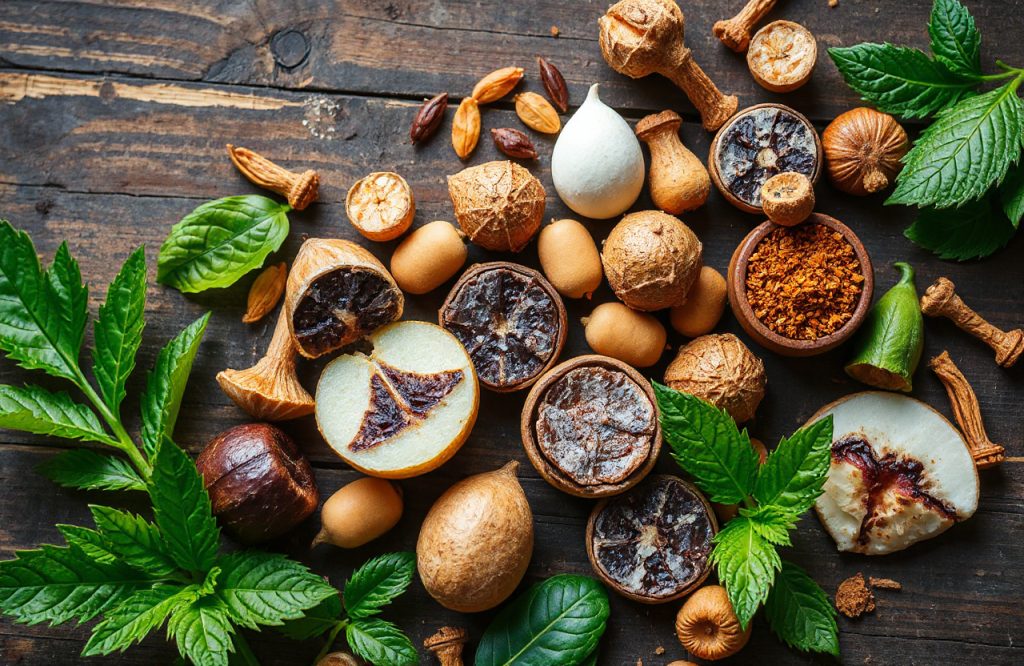
Understanding Adaptogens in Wellness
The Rise of Adaptogens
In the rapidly changing landscape of wellness, adaptogens have captured the attention of health enthusiasts. These herbs and mushrooms have been utilized for centuries in traditional medical practices such as Ayurveda and Traditional Chinese Medicine. They are believed to assist the body in adapting to stress, enhancing energy levels, and promoting overall well-being. However, before incorporating these trendy plant powders into your routine, it is essential to examine the scientific evidence surrounding them.
What Are Adaptogens?
Adaptogens are natural substances derived from plants and fungi that purportedly help the body manage various stressors—be they physical, chemical, or biological. They are thought to promote adaptive homeostasis, enabling the body to adjust to mild stressors, which may enhance resilience against future stress. Notable adaptogens include ashwagandha, rhodiola, and ginseng. Ashwagandha is known for potentially regulating cortisol levels and improving stress responses. Rhodiola rosea may alleviate fatigue and enhance mental performance, while Panax ginseng is linked to improved energy and cognitive function. These adaptogens are available in various forms, including supplements, teas, and skincare products, suggesting that stress impacts not only our minds but also our skin.
Evaluating the Scientific Evidence
Research Findings on Adaptogens
Before making adaptogen smoothies a staple, it is crucial to consider the current research. A study published in 2022 in the journal Pharmaceuticals examined a blend of rhodiola, eleutherococcus, and schisandra in patients with Long COVID-19. The study found that while the adaptogen mixture reduced fatigue and pain duration in 50% of participants, there was no significant difference in symptom improvement compared to a placebo. This indicates the complexity of analyzing adaptogenic effects and underscores the necessity for more comprehensive research.
Further analysis revealed that the adaptogen mixture performed better than placebo for specific outcomes, such as coughing and walking distance on certain days of the trial. However, the inconsistent results raise questions about the reliability of these findings.
Mixed Results from Other Studies
A 2019 study published in Medicine explored the effects of ashwagandha on stress and anxiety, showing a notable reduction in stress levels compared to a placebo. However, the study had a limited sample size of 60 participants and was funded by a company producing ashwagandha supplements, which could introduce potential biases. Although current research is investigating adaptogens for age-related conditions like neurodegenerative diseases and cardiovascular health, much of it remains in preliminary stages.
Safety Considerations for Adaptogens
Potential Risks
While adaptogens are generally regarded as safe, they are not without potential risks. The National Center for Complementary and Integrative Health notes that ashwagandha may have adverse effects on the liver and thyroid and may not be suitable for individuals with specific health conditions. Additionally, certain adaptogens may interact with medications. For those on blood pressure medication or with bleeding disorders, caution is advised before consuming ginseng tea.
It is also important to recognize that dietary supplements, including adaptogens, are not regulated by the FDA in the same manner as pharmaceuticals, leading to variability in product quality and purity.
The Role of the Placebo Effect
Understanding the Placebo Effect
Interestingly, while the scientific backing for adaptogens may be tenuous, the placebo effect could play a significant role in perceived benefits. This phenomenon occurs when individuals experience positive outcomes from a treatment that has no active therapeutic properties. Essentially, if one believes in the effectiveness of a treatment—whether it is a sugar pill or a trendy herb—they may indeed experience benefits.
Conclusion: A Cautious Approach to Adaptogens
Final Thoughts
What should we take away from this information? Should adaptogen powders be discarded in favor of traditional stress management techniques? Not necessarily. While the scientific evidence supporting adaptogens is inconclusive, they may still offer benefits for some individuals. If taking adaptogens enhances your well-being without adverse effects, there may be no harm in continuing their use.
However, a healthy dose of skepticism is essential when considering any supplement. Consulting with a healthcare provider is advisable, especially for those on medication or with pre-existing health conditions.
Ultimately, while adaptogens can complement a wellness routine, they should not be viewed as a replacement for a balanced lifestyle. No herb can substitute the advantages of nutritious food, regular exercise, and adequate sleep. In the end, the most effective strategy for managing stress may involve straightforward, traditional self-care practices. If adaptogens contribute positively to your health journey, that is perfectly valid—but it is wise to remain mindful of their limitations.