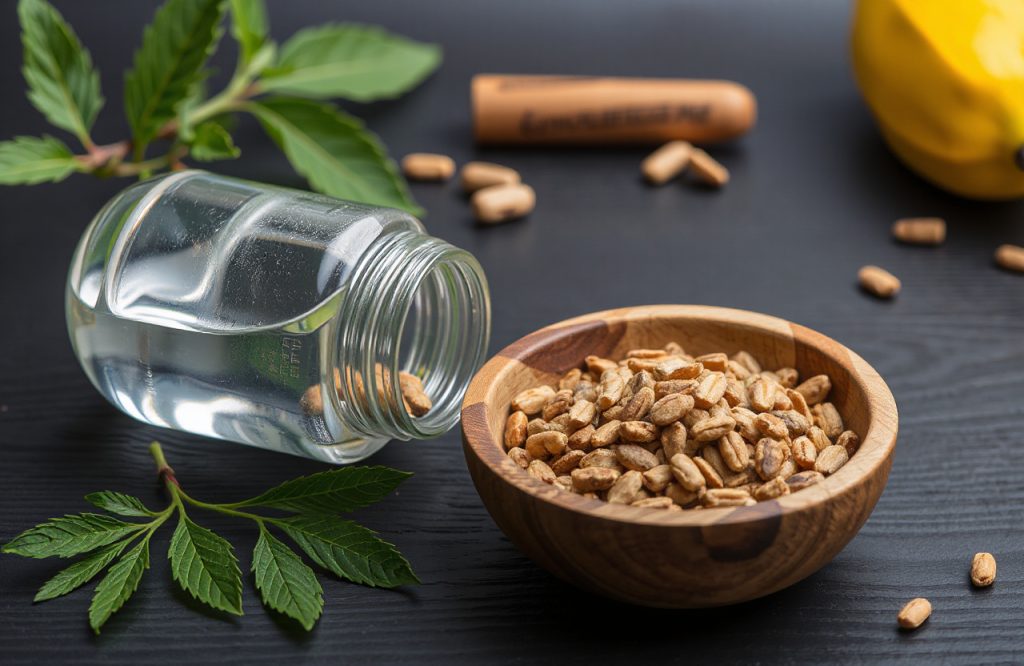
The Growing Trend of Herbal Medication in Sports
Importance of Understanding Herbal Supplements
As herbal medication gains popularity in North America, it is essential to understand the benefits and potential side effects associated with herbal supplementation in sports. Recent research from Croatia and Tunisia has examined various herbal medicines available on the market to assess their efficacy against their claims.
Changing Perceptions of Herbal Medicine
Over the past few decades, perceptions of herbal medicine have shifted significantly. More Canadians are opting for complementary and alternative medicines (CAM), including herbal remedies, particularly for pain management. This trend is especially pronounced among younger generations, likely influenced by a growing interest in holistic self-care practices that emerged in the 1970s. Consequently, many athletes are incorporating herbal medicines into their training regimens as a socially accepted alternative to traditional anabolic steroids.
Safety and Efficacy of Herbal Medicines
Regulatory Challenges
Despite the rising popularity of herbal medicines, many have yet to meet the safety and efficacy standards set by the Food and Drug Administration (FDA). Herbal medicines are derived from plants and contain active ingredients such as terpenoids, alkaloids, and phenolic compounds, known for their health benefits. Approximately 17% of collegiate female athletes currently use herbal remedies during training, often for fat burning and muscle growth. However, the wide array of commercially available options makes it challenging to validate the claims of these products.
Challenges in Clinical Research
Clinical studies on herbal medicines often face inconsistencies that complicate the comparison of results. Factors such as the plant’s growing conditions, preparation methods, dosages, and interactions with other medications contribute to the difficulty in validating the claims associated with these herbal treatments. A recent review published in the Journal of the International Society of Sports Nutrition assessed various herbal medicines to determine their actual effectiveness.
Overview of Popular Herbal Medicines
Ginseng
Ginseng is one of the most researched herbs for enhancing physical performance. While several species exist, Chinese ginseng (Panax ginseng) is the most studied and valued in traditional Chinese and Korean medicine. Ginseng contains compounds like vitamins, minerals, saponins, and ginsenosides, its primary active ingredient.
Research indicates that a small daily dose of Chinese ginseng can significantly improve cognition and anaerobic exercise performance, benefiting both sedentary and active participants. However, there are side effects to consider, including digestive issues, headaches, insomnia, and blood pressure fluctuations. Women may experience vaginal bleeding and breast sensitivity. It is advisable to consult a healthcare provider before using ginseng, especially for those on certain medications.
Caffeine
Caffeine, found in many plants, is known for its ability to enhance alertness and reduce reaction times. Research shows that a small dose of caffeine taken before exercise can significantly boost strength and elevate blood catecholamine levels, improving both anaerobic and aerobic performance. While excessive caffeine consumption can lead to health issues, it is generally recognized as a safe herbal medicine and is no longer prohibited by the World Anti-Doping Agency (WADA).
Guarana
Guarana, a herb native to the Amazon, contains alkaloids such as caffeine and theobromine. Traditionally, it has been used for various ailments. When combined with caffeine, guarana may aid in fat burning and weight loss. However, it can also produce side effects like anxiety, insomnia, increased heart rate, and upset stomach due to its caffeine content.
Green Tea
Green tea is a widely known herbal remedy. Together with caffeine, it has been shown to enhance metabolism and promote fat burning. Additionally, green tea extracts are recognized for their antioxidant properties. While studies on the long-term effects of green tea extracts are lacking, it is generally considered a safe option with minimal side effects.
Yerba Mate
Yerba mate, an evergreen plant from South America, is consumed as a tea and has demonstrated fat-burning properties and improved metabolism in obese individuals. However, it may also elevate blood pressure and cause confusion in some cases.
Ginger
Ginger, commonly cultivated in Southern Asia, has a long history as an anti-inflammatory treatment. Research indicates that ginger supplements can lower blood inflammation markers following intense exercise. However, other studies suggest it may not significantly impact body composition or strength. Ginger is recognized as a safe supplement under FDA guidelines.
Tribulus Terrestris
Tribulus Terrestris gained notoriety after Bulgarian athletes attributed their success to it during the 1996 Summer Olympics. Research suggests it may increase testosterone levels in men and enhance muscle anabolism. However, conflicting studies indicate that its effects on strength and endurance are minimal, with some attributing benefits to a placebo effect.
Ginkgo Biloba
Ginkgo biloba is a popular herb known for improving blood circulation to the brain. While it is used to alleviate symptoms of cognitive disorders, evidence on its efficacy for peripheral arterial disease remains inconclusive. It is generally considered safe for healthy adults but should be avoided by diabetics due to its blood glucose-lowering effects.
Saffron
Saffron, derived from the Crocus sativus flower, is noted for its culinary value and high cost. It contains compounds that may help with depression and inflammation. Some studies suggest it can lower certain blood factors in sedentary women, but it does not appear to enhance resistance exercise performance. Caution is advised when using saffron, as high doses can lead to severe side effects, including fatalities.
Conclusion
As the use of herbal medication continues to rise in North America, understanding the benefits and risks associated with these supplements in sports becomes increasingly vital. Research indicates that while ginseng and caffeine can enhance mental function and stimulate the central nervous system, other herbal remedies require caution due to their potential side effects. Athletes are encouraged to consult with healthcare professionals before integrating herbal medicines into their routines.