Understanding Stress in High-Demand Jobs
Research on Stress Assessment Tools
Stress in high-demand jobs is extensively studied, with various effective tools available to evaluate multiple factors affecting workers who engage in multitasking. Techniques such as the Subjective Workload Assessment Technique and the Workload Profile are commonly used assessments. While these assessments are subjective in nature, there are also physiological methods to gauge stress levels among workers.
Innovative Study by Yang and Kim
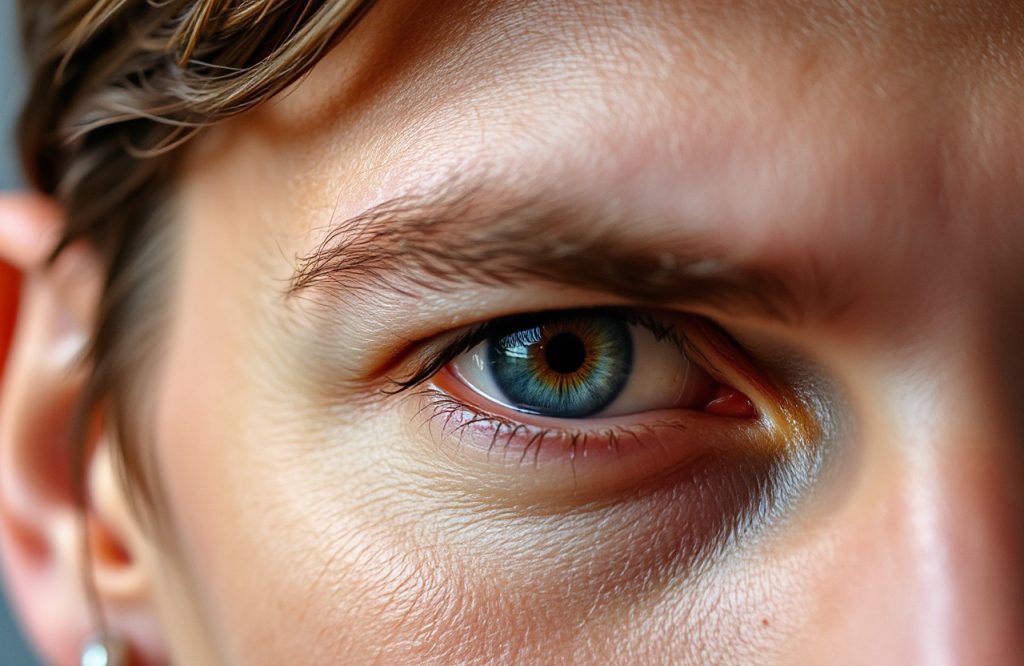
Researchers Yang and Kim explored how pupil responses can indicate stress in multitasking environments. They employed a formula known as “fractal dimension” to analyze the relationship between pupil response and stress during multitasking simulations. This research was published in the International Journal of Human-Computer Interaction.
Experiment Overview
The study involved 22 male and 14 female participants from the University of Missouri. The experiments simulated control rooms from oil and gas refineries, presenting a series of tasks that varied in complexity, often signaled by distinct alarm tones. Eye-tracking software was utilized to monitor the pupil responses of participants in these high-stress simulation scenarios. Additionally, the researchers administered a NASA questionnaire to assess the workload levels experienced by participants.
Findings on Pupillary Responses
Results indicated that during simpler tasks, where participants experienced less stress, their pupillary responses were predictable. However, as task complexity increased and required frequent switching between tasks, the pupillary responses became increasingly difficult to predict. The researchers applied the fractal dimension formula and discovered an inverse relationship between the fractal dimension and workload. Specifically, as workload decreased and stress levels lowered, the fractal dimension of pupil dilation increased. Conversely, in high-complexity situations, the fractal dimension of pupil dilation was smaller.
Implications of the Study
The unpredictability in pupillary responses observed during high-complexity tasks was attributed to disturbances caused by continuous alarm events. The findings were generally consistent with the results from the NASA questionnaire. The researchers successfully established a potential link between their fractal dimension formula and stress levels related to workload, highlighting a negative correlation between the two factors. Higher workload and increased task switching likely lead to smaller fractal dimensions of pupil dilation.
Future Research Directions
The authors of the study believe their findings could assist in determining stress levels in workers engaged in challenging tasks. They expressed interest in further research to explore how age may influence indicators of mental fatigue and stress in complex task environments. Additionally, they aim to investigate the effectiveness of their formula in analyzing other physiological measures, such as heart rate, during high-stress tasks.
References
Stann E. Are you stressed? Your eyes may provide a window into your mental workload. New Bureau University of Missouri (2018). https://munews.missouri.edu/news-releases/2018/1211-are-you-stressed-your-eyes-may-provide-a-window-into-your-mental-workload/
Yang X and Kim JH. Measuring Workload in a Multitasking Environment Using Fractal Dimension of Pupil Dilation. International Journal of Human–Computer Interaction. 2018; 1–10. doi: https://doi.org/10.1080/10447318.2018.1525022.