Evidence-Based Health Benefits of Tai Chi
Introduction to Tai Chi
Tai chi is a gentle, slow-moving, meditative martial art with origins in China dating back thousands of years. This practice encompasses various forms, with new adaptations continually emerging, including shorter routines designed for the elderly. Tai chi is characterized by a series of gentle movements aimed at strengthening and relaxing the body.
Movement and Technique
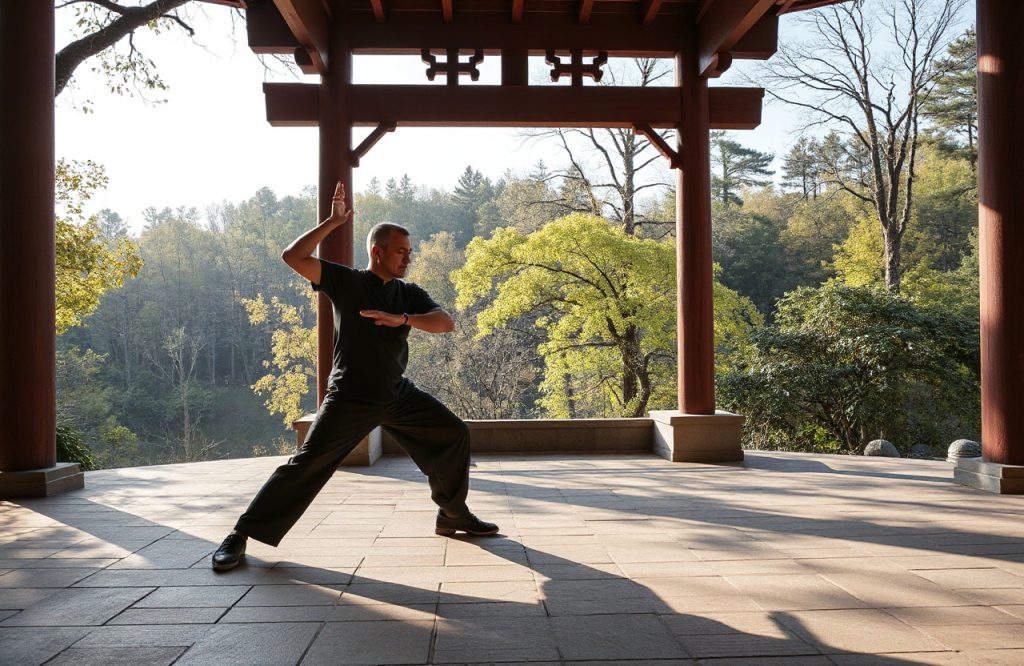
The practice focuses on body position and sensations, utilizing imagery such as “waving hands like clouds” to guide participants through exercises. Tai chi’s biomechanically efficient movements require minimal effort, and its circular, flowing motions serve to stretch the body while promoting relaxation for both body and mind. The technique involves shifting weight between feet and maintaining a flexed body position, which enhances balance and leg strength. Additionally, the rhythmic breathing associated with tai chi may improve oxygenation.
Research Overview
A recent literature review published in the *Canadian Family Physician* explored the health benefits of tai chi, examining 25 specific health conditions as well as its impact on general health and fitness. The review categorized existing systematic studies and recent clinical trials into five groups based on the level of evidence: excellent, good, fair, preliminary, or no direct benefit.
Findings from Clinical Studies
Researchers analyzed 500 clinical studies and 14 existing systematic reviews. The findings are summarized as follows:
– **Excellent evidence of benefit:** Preventing falls in older adults, osteoarthritis, Parkinson’s disease, chronic obstructive pulmonary disease (COPD), and cognitive functioning.
– **Good evidence of benefit:** Depression, cardiac rehabilitation, stroke rehabilitation, and dementia.
– **Fair evidence of benefit:** Quality of life for cancer patients, fibromyalgia, hypertension, and osteoporosis.
– **Preliminary evidence of benefit:** Stroke prevention, anxiety, low back pain, recovery from breast cancer surgery, attention deficit disorder, spinal cord injury, traumatic brain injury, and postsurgical nasopharyngeal cancer patients.
– **Evidence of no direct benefit:** Type 2 diabetes, rheumatoid arthritis, and chronic heart failure.
General Health and Fitness Benefits
Beyond specific health conditions, tai chi appears to enhance balance and aerobic capacity, potentially improve flexibility, and increase lower limb strength, particularly in deconditioned adults. There is fair evidence suggesting that tai chi boosts overall well-being and improves sleep quality. Very preliminary evidence indicates it might enhance kidney function and quality of life for dialysis patients.
Limitations of Current Research
Most trials analyzed had durations ranging from 6 to 12 weeks, which may be insufficient to evaluate benefits for chronic conditions. With a variety of styles, instructors, and practice frequencies, the optimal tai chi regimen has yet to be determined.
Personal Benefits and Physician Recommendations
In addition to the specific health conditions studied, many tai chi practitioners report benefits that remain unexamined, such as improved digestion, warmer extremities, and a feeling of youthfulness. Patients frequently seek recommendations from physicians for therapies to achieve health goals or manage chronic conditions. With tai chi recognized as an active research area, healthcare providers can now offer evidence-based recommendations to their clients.
Conclusion
As research on tai chi continues to evolve, its potential health benefits become increasingly clear, providing a valuable tool for enhancing both physical and mental well-being.