Understanding the Importance of Sleep
The Impact of Sleep on Health and Productivity
Sleep is essential for recharging the body and enhancing performance and productivity. When sleep is insufficient, it can lead to irritability and agitation. A lack of adequate rest may result in mental, physical, and chemical imbalances within the body. In the United States, this issue is particularly concerning, with 1 in 5 American adults experiencing sleep disturbances. Aiming for 7 to 8 hours of sleep each night prepares you for the challenges that lie ahead.
Alternative Solutions to Sleep Deprivation
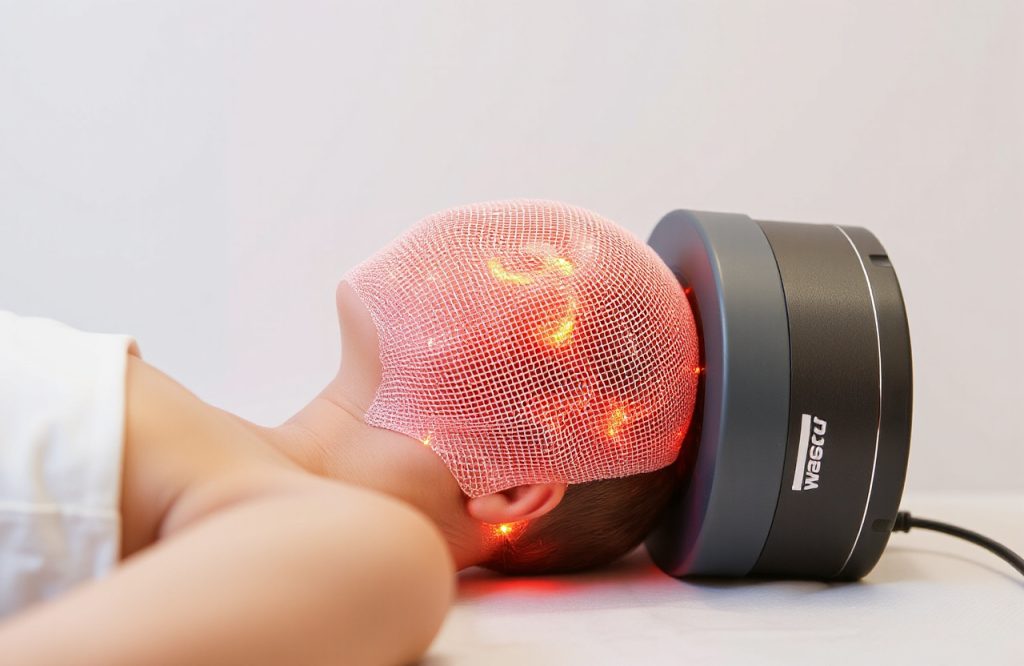
If you’re struggling with sleep deprivation and prefer to avoid medications, Pulsed Electromagnetic Field (PEMF) therapy may be a suitable alternative. This therapy operates on multiple levels to address sleep-related issues.
Signs of Poor Sleep
Health Risks Associated with Insufficient Sleep
Enduring sleepless nights can be challenging and may trigger serious health risks, including:
– Weak cognitive response and judgment
– Poor cell regeneration
– Accelerated aging
– Memory loss
– Decreased sexual desire
Understanding Brainwave Entrainment
What is Brainwave Entrainment?
To comprehend the benefits of PEMF therapy, it’s essential to understand brainwave entrainment. This technique stimulates the brain to achieve a specific state using pulsing electromagnetic fields, sound, or light. The rhythmic pulses help the brain align its waves to a given frequency, enabling relaxation, focus, sleep, and meditation.
PEMF Therapy and Its Connection to Brainwave Entrainment
The Relationship between PEMF and Sleep Patterns
PEMF therapy and brainwave entrainment are interconnected. The low-frequency waves generated by PEMF can effectively reboot the brain, promoting a healthy sleep pattern. Sleep disorders often present overlapping symptoms that can complicate diagnosis, leading to ineffective medication solutions. In such cases, alternative therapies like PEMF have shown greater efficacy.
How PEMF Works with Brain Frequencies
PEMF therapy influences the body on electrical, magnetic, and chemical levels. The frequencies of PEMF waves, measured in Hertz, correspond to various brain activity states throughout the day:
1. Alpha Frequency: 8-14 Hz, associated with waking and sleeping.
2. Beta Frequency: 14-30 Hz, linked to alertness and mental activity.
3. Theta Frequency: 4-8 Hz, occurring in early sleep stages or while waking.
4. Delta Frequency: 0.5-4 Hz, representing deep sleep essential for recovery.
PEMF Devices for Sleep Disorders
How PEMF Addresses Sleep Disturbances
PEMF devices target and rectify brain waves that contribute to sleep disturbances, ultimately helping maintain desired sleep rhythms. These devices facilitate a transition to delta frequency range, ensuring healing and regeneration. While they do not cure specific sleep disorders, they promote overall sleep health without adverse reactions. For safety, consulting a physician is recommended. For effective use, consider a whole-body mat or pad placed under your pillow, with application durations ranging from 15 to 20 minutes before sleep or overnight, as advised by your doctor.
PEMF Therapy for Insomnia
Effectiveness of PEMF in Treating Insomnia
Insomnia is a prevalent sleep disorder characterized by interrupted sleep and difficulty falling asleep. PEMF therapy is particularly effective in optimizing neural activity to promote deep restorative sleep and enhance cellular regeneration, contributing to anti-aging effects.
The Impact of Mental Health on Sleep
Addressing Depression with PEMF Therapy
Depression significantly contributes to sleep disorders. PEMF therapy positively affects neuron activity, potentially reversing damage caused by emotional and physical stress. It enhances blood circulation, relaxes the mind, and improves overall sleep quality, while also facilitating muscle relaxation and other bodily functions. The electromagnetic devices used in PEMF therapy emit frequencies similar to Schumann and geomagnetic waves, stimulating melatonin production in the pineal gland, which is crucial for sleep and anti-aging. Additionally, it may boost the production of Human Growth Hormone (HGH) in the pituitary gland, further aiding sleep and promoting anti-aging benefits.
Conclusion
Many patients have reported significant improvements in sleep management through pulsed field therapy. This approach addresses sleep issues at a fundamental level, synchronizing brain waves to achieve a healthier sleep cycle and enhancing overall body performance.