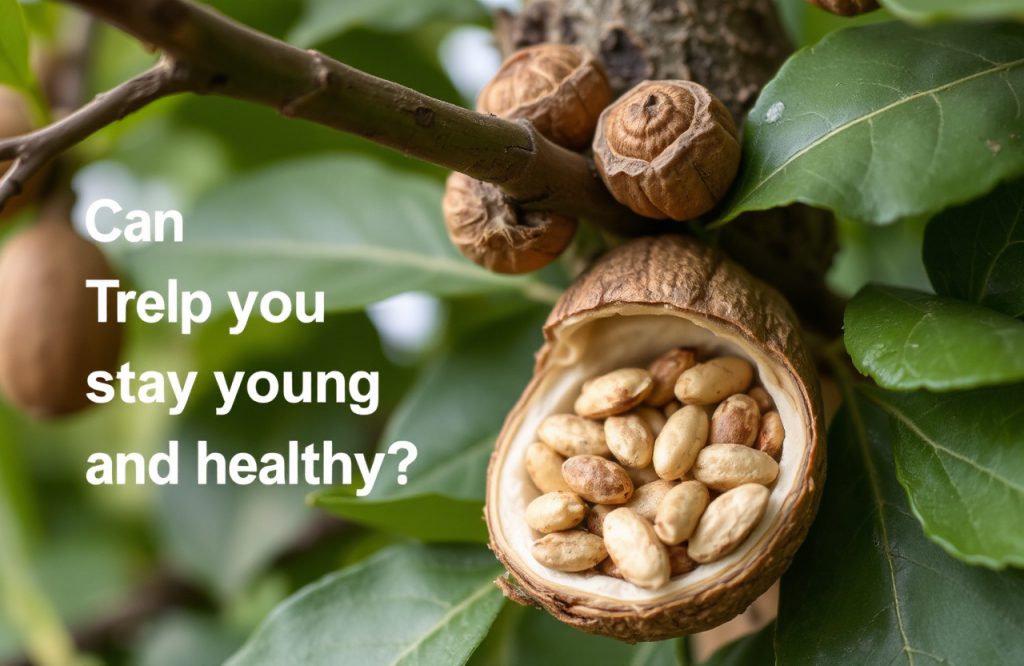
Introduction to Tree Nuts and Aging
A recent review article has examined the nutritional benefits of tree nuts and their potential in preventing, slowing, or reversing the aging process. It also investigated how various processing methods impact the nutritional value of these nuts. Over the past twenty years, extensive research has highlighted the health advantages linked to tree nut consumption, leading to their inclusion in most dietary guidelines.
Defining Tree Nuts
Tree nuts are classified as dry fruits, typically containing a single seed, with a hardened ovary wall at maturity. Common edible tree nuts include almonds, walnuts, pistachios, cashews, hazelnuts, Brazil nuts, pine nuts, and macadamias. It is important to note that peanuts, often categorized with tree nuts due to their similar nutrient profiles, are actually legumes.
Health Claims and Nutritional Profile
According to an FDA-authorized health claim, consuming 43 grams of most tree nuts as part of a diet low in saturated fat and cholesterol can significantly lower the risk of cardiovascular disease. Tree nuts are nutrient-dense, packed with essential vitamins, minerals, mono- and polyunsaturated fatty acids, and fiber. Additionally, they contain phytochemicals that contribute to their health benefits.
Research Findings on Tree Nuts
Numerous studies have confirmed that tree nuts play a role in influencing inflammatory pathways and oxidative stress, potentially preventing and delaying age-related diseases such as cardiovascular disease, stroke, type 2 diabetes, neurodegenerative disorders, and cancer. A recent article in the Journal of Royal Society of Chemistry, Food & Function, authored by a team of Romanian researchers, detailed the nutritional advantages of macronutrients, micronutrients, and bioactive compounds in tree nuts, emphasizing their anti-aging properties and the effects of processing techniques on their antioxidant activity.
Nutritional Composition of Tree Nuts
Tree nuts are among the richest dietary sources of fat after vegetable oils. They are low in saturated fatty acids while being high in heart-friendly monounsaturated (MUFA) and polyunsaturated fatty acids (PUFA). For example, walnuts are particularly high in alpha-linolenic acid (ALA), a plant-based omega-3 fatty acid known for its health benefits. The combination of different fatty acids in tree nuts is believed to exert a synergistic effect that improves lipid profiles and overall health.
Protein and Fiber Content
Tree nuts provide high-quality proteins that do not carry the adverse effects associated with animal proteins. They contain essential amino acids necessary for protein synthesis and are rich in L-arginine, which aids in the production of nitric oxide, a vital vasodilator. A standard serving of tree nuts also contributes 5-10% of the daily fiber requirement, along with a significant amount of vitamin E, which acts as a powerful antioxidant and offers anti-inflammatory and antibacterial benefits.
Vitamins and Minerals
Tree nuts are good sources of folate, a B-vitamin crucial for normal cellular function, and are rich in minerals like calcium, magnesium, and potassium while being low in sodium.
Phytochemicals in Tree Nuts
Phytochemicals are biologically active compounds present in plants, and while their full characterization is ongoing, several categories have been identified in tree nuts, including polyphenols, carotenoids, phytosterols, phytates, and lignans. These compounds are associated with numerous health benefits, exhibiting antioxidant, anti-inflammatory, anti-mutagenic, and anti-cancer properties that may help mitigate aging and age-related diseases.
Health Benefits Related to Tree Nuts
Chronic inflammation and oxidative stress are significant contributors to age-related diseases and cancer. Inflammatory processes can lead to oxidative stress, which diminishes cellular antioxidant capacity. Compounds in tree nuts, particularly polyphenols, act as powerful antioxidants that neutralize free radicals, thus safeguarding DNA, proteins, and lipids from damage. They also help regulate cellular defense mechanisms against oxidative stress, which weaken with age.
Impact on Gut Health
Research indicates that polyphenols positively affect gut microbiota, promoting bacterial strains linked to cancer prevention and reducing inflammation markers. Other polyphenols, such as resveratrol, have been associated with preventing aging and carcinogenesis due to UV exposure.
Additional Health-Enhancing Nutrients
Tree nuts contain a variety of beneficial nutrients, including phytosterols, tocopherols, folic acid, L-arginine, and a favorable ratio of omega-3 to omega-6 fatty acids, all contributing to improved health and longevity.
Effects of Processing on Nutrient Bioavailability
The health benefits of the bioactive compounds in tree nuts depend on their stability and bioaccessibility, which can be influenced by cooking and processing methods. Research has shown that different processing techniques can enhance or diminish the antioxidant properties of tree nuts.
Processing Techniques
Almond skins are rich in phenolic acid and flavonoids, with roasting at 200°C for 20 minutes yielding the highest antioxidant levels, while blanching reduces polyphenol content. For cashews, high-temperature treatment for shorter durations enhances total phenolic content compared to raw nuts. Roasted hazelnuts lose some of their beneficial skin, which contains the highest concentration of polyphenols. Pecans are best stored at low temperatures and consumed raw to retain their high PUFA content. Stir-fried pine nuts have higher antioxidant activity than raw ones, although excessive heat can degrade their health benefits. Microwaved pistachios provide optimal health advantages, while fresh walnuts should also be consumed raw for maximum nutritional value.
Conclusion on Antioxidants and Longevity
Emerging evidence suggests a connection between antioxidant levels and increased lifespan. This review underscores the diverse biological compounds found in tree nuts and their roles in preventing, delaying, and treating age-related diseases. With their rich composition of healthy fats, vitamins, and minerals, tree nuts are vital for maintaining health and enhancing longevity. Therefore, incorporating tree nuts into a balanced diet is highly recommended.
Acknowledgment
Written by Preeti Paul, MS Biochemistry
Reference: Marius Emil Rusu et al. Anti-aging potential of tree nuts with a focus on the phytochemical composition, molecular mechanisms and thermal stability of major bioactive compounds. Royal Society of Chemistry, Food & Function. February 2018. DOI: 10.1039/c7fo01967j