Understanding Fats and Cardiometabolic Health
Myth: A High-Fat Diet is Detrimental
The common belief that a diet rich in fats, such as the Mediterranean diet, is harmful to cardiometabolic health is inaccurate.
Truth: The Mediterranean Diet’s Benefits
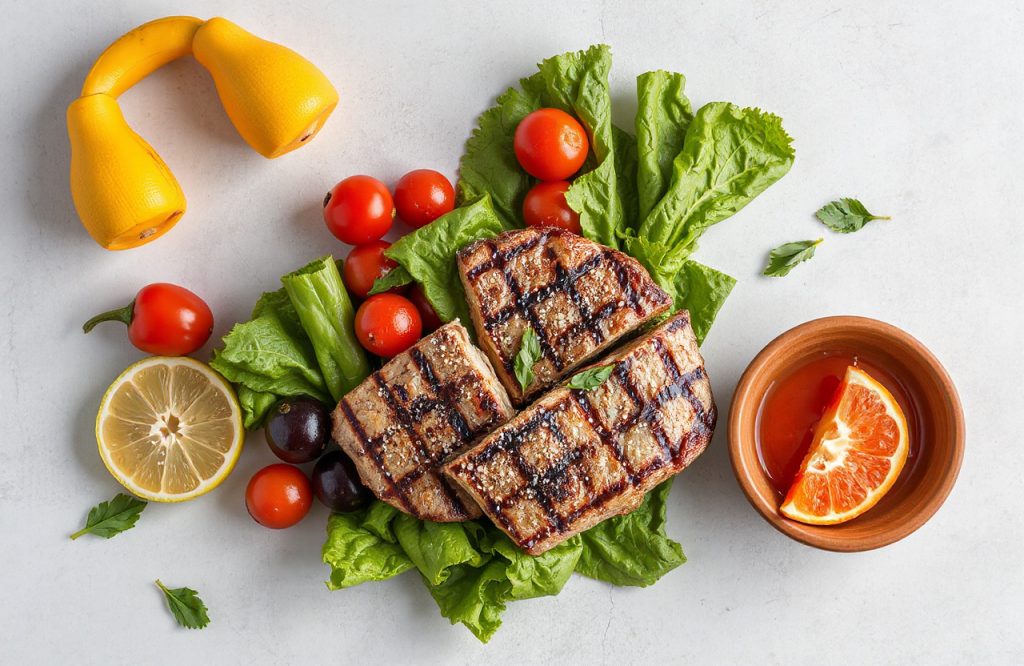
The Mediterranean diet emphasizes high consumption of olive oil and vegetables, moderate intake of fish, and limited consumption of sweets and meats. This dietary pattern includes high-fat foods like canola oil, olives, and nuts, which are beneficial for both cardiometabolic and endocrine health.
The Role of Fat Types in Health
While certain high-fat diets have been associated with an increased risk of cardiometabolic syndrome—a condition linked to cardiovascular disease and diabetes—the type of fat consumed plays a critical role. Diets high in trans and saturated fats can negatively impact cardiometabolic health. Conversely, diets rich in monounsaturated and polyunsaturated fats are linked to improved health outcomes.
The Mediterranean Diet and Healthy Fats
The Mediterranean diet promotes the consumption of nuts, canola oil, and olive oil, which are sources of monounsaturated fats, as well as fish, which provides polyunsaturated fats. Research indicates that these dietary components contribute positively to health.
Research Supporting the Mediterranean Diet
A study featured in the American Journal of Clinical Nutrition found that adherence to the Mediterranean diet correlates with lower triglyceride levels and higher concentrations of sex hormone-binding globulin, a marker inversely associated with diabetes. These findings suggest that the Mediterranean diet supports better cardiometabolic and endocrine health.
Further Reading
To explore more about the Mediterranean diet and its impact on cardiometabolic health, please refer to the study by AlEssa et al. published in the American Journal of Clinical Nutrition.
Reference: AlEssa HB, Malik VS, Yuan C, et al. Dietary patterns and cardiometabolic and endocrine plasma biomarkers in US women. Am J Clin Nutr. 2017;105(2):432-441. doi:10.3945/ajcn.116.143016.