Link Between Sleep Disorders and Parkinson’s Disease
Study Overview
Recent research has established a connection between obstructive sleep apnea (OSA) and a heightened risk of developing Parkinson’s disease. The findings indicate that individuals with more severe cases of OSA face an even greater risk.
Impact of CPAP Therapy
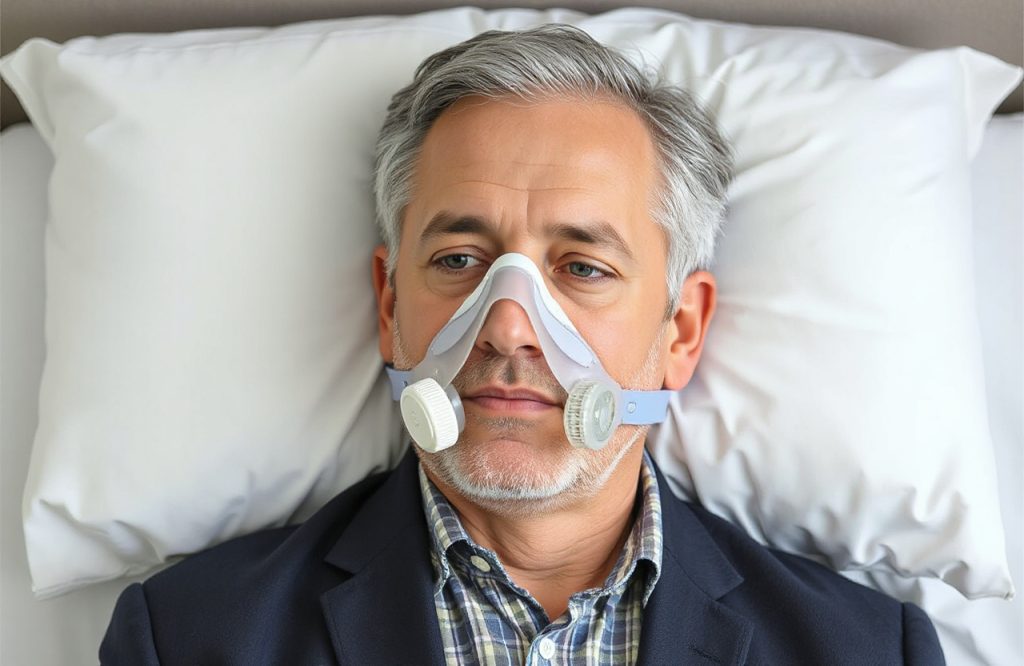
The study highlights that Continuous Positive Airway Pressure (CPAP) therapy can significantly mitigate this risk. According to the researchers, CPAP treatment can reduce the likelihood of developing Parkinson’s by nearly 50%.
Understanding Obstructive Sleep Apnea
Many individuals suffering from OSA may be unaware of their condition. Common symptoms include poor sleep quality, difficulty falling asleep, and excessive daytime sleepiness. These symptoms can contribute to the increased risk of Parkinson’s disease.
Risk Assessment
The research indicates that untreated OSA patients are at double the risk of developing Parkinson’s compared to those without the condition. This heightened risk underscores the importance of diagnosis and treatment for OSA.
Research Methodology
The study, conducted by Oregon Health and Science University in collaboration with the Portland Veterans Administration (VA) Health Care System, analyzed health records from 13,737,081 U.S. veterans. This data, collected by the Department of Veterans Affairs between 1999 and 2022, included a study population with an average age of 60.5 years, of which 9.8% were women.
Findings on Parkinson’s Disease Incidence
Out of the total study group, 1,552,505 individuals were diagnosed with OSA. The analysis revealed that six years post-diagnosis, the incidence of Parkinson’s disease was 1.6 cases per 1,000 individuals with OSA, in contrast to those without the condition.
Study Limitations
It is important to note that the study does not suggest that all individuals with untreated OSA will inevitably develop Parkinson’s disease, nor does it guarantee that CPAP treatment will prevent the condition. Instead, it points to an increase or decrease in the risk associated with these factors.
Publication Information
The findings of this study are published in JAMA Neurology, contributing valuable insights into the relationship between sleep disorders and neurological health.