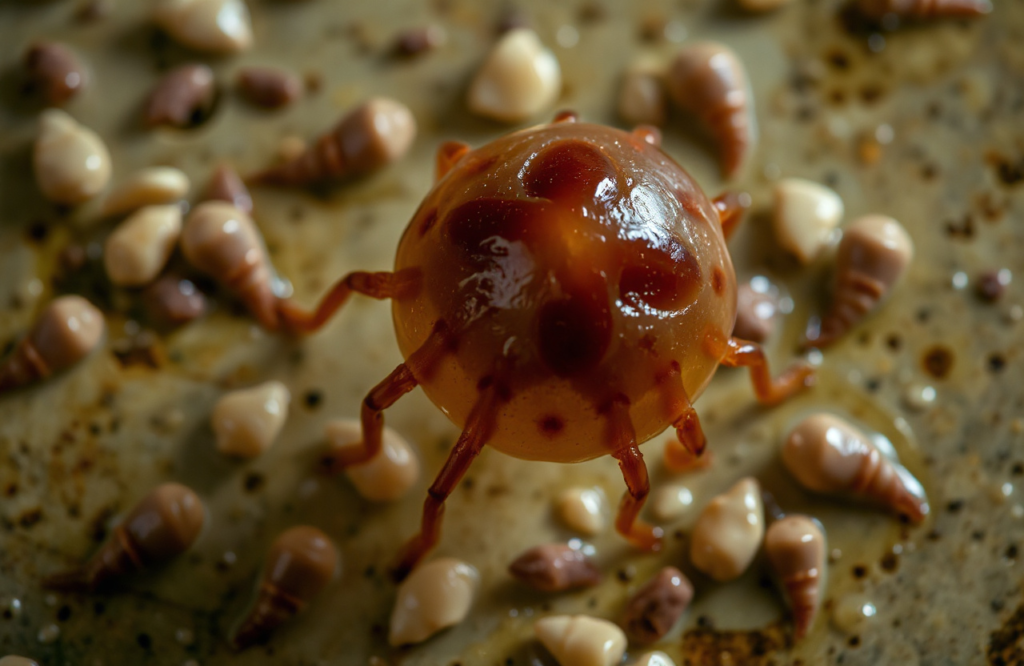
What Is Naegleria Fowleri?
Naegleria fowleri, often referred to as the brain-eating amoeba, is responsible for a severe brain infection known as Primary Amoebic Meningoencephalitis (PAM). This amoeba thrives in warm freshwater and soil, flourishing in temperatures as high as 115°F (46°C). A recent tragic case involved a 14-year-old boy named Mridul from Kozhikode, Kerala, who lost his life after contracting this disease while bathing in a small pond. This incident underscores the potential dangers associated with warm freshwater environments across the country.
Lifecycle of Naegleria Fowleri
Naegleria fowleri exists in three distinct forms:
Cyst
In unfavorable conditions, the amoeba produces a cyst that is highly resistant to environmental stresses.
Trophozoite
This is the active feeding stage where the amoeba multiplies and consumes bacteria. It is the most dangerous form for humans.
Flagellate
A temporary, non-feeding stage that allows the amoeba to move in search of a more suitable environment.
How the Disease Affects the Human Body
Naegleria fowleri is a microscopic organism that inhabits warm freshwater sources such as lakes, rivers, and hot springs, as well as soil. The amoeba poses a significant threat when it enters the human body through the nose. Common habitats include:
- Warm freshwater lakes and rivers
- Hot springs
- Geothermal water sources
- Poorly maintained or unchlorinated swimming pools
- Water heaters and industrial facilities that discharge warm water
Infection Process
1. **Entry through the Nose**: The amoeba enters the nasal cavity when an individual submerges their head in contaminated water.
2. **Travel to the Brain**: Following entry, Naegleria fowleri migrates to the brain via the olfactory nerve.
3. **Destruction of Brain Tissue**: The amoeba rapidly multiplies, leading to the destruction of brain tissue, severe swelling, and, ultimately, death.
Symptoms of Naegleria Fowleri Infection
Symptoms of PAM can mimic those of bacterial meningitis, complicating early diagnosis. Symptoms typically emerge 2 to 15 days post-exposure and may include:
Early Signs
– Severe headache
– Fever
– Nausea
– Vomiting
– Stiff neck
Later Signs
– Confusion
– Difficulty balancing
– Seizures
– Hallucinations
– Coma
Due to the rapid progression of the infection, immediate medical attention is essential if these symptoms arise after exposure to warm freshwater.
Prevention
To reduce the risk of Naegleria fowleri infection, consider the following precautions:
- Avoid swimming or bathing in warm, stagnant water where the amoeba may thrive.
- Use nose clips while swimming to prevent water from entering your nasal passages.
- Ensure swimming pools are well-maintained and chlorinated.
- Avoid submerging your head in warm freshwater.
Treatment
Treatment for PAM focuses on enhancing survival through early detection and aggressive intervention. The CDC recommends a combination of:
- **Amphotericin B**: Administered via IV and spinal injections to combat the amoeba.
- **Azithromycin**: An antibiotic that targets amoebas.
- **Miltefosine**: An experimental drug showing potential in PAM treatment.
- **Rifampin**: Another antibiotic used in conjunction with other therapies.
- **Dexamethasone**: A steroid to alleviate brain swelling.
Recent Cases in Kerala
In 2023, Kerala reported four fatalities due to PAM, raising concerns among health officials and the public. Chief Minister Pinarayi Vijayan convened a special meeting to discuss the situation and propose preventive strategies.
Government Response to the Disease
The Kerala government has taken proactive measures to curb the spread of this lethal infection. State Health Minister Veena George, Chief Secretary Dr. Venu, and other officials are actively involved in raising awareness and enforcing safety protocols. Public health campaigns emphasize the importance of maintaining clean water sources and educating communities about the risks associated with Naegleria fowleri.
Historical Cases in India
Despite the recent attention on cases in Kerala, PAM is not a new phenomenon in India. According to the Central Government’s Integrated Disease Surveillance Program (IDSP), 22 deaths have been recorded in Kerala, Haryana, and Chandigarh since 2016, with six of those occurring after 2021, indicating a rising trend in infections.
First Case in Kerala
The first documented case of PAM in Kerala occurred in 2016. Since then, the number of fatalities has increased, highlighting the necessity for vigilance and enhanced public health initiatives.
Other Cases
Globally, there have been only a handful of survivors of Naegleria fowleri infection. In the United States, three individuals have survived, along with five others worldwide. These cases underscore the importance of swift action and innovative treatment strategies.
Myths and Facts
Myths
- It’s a brain-eating amoeba that consumes brains.
- Drinking contaminated water causes infection.
- It’s widespread and affects many people.
- Chlorine effectively kills Naegleria.
- There’s a specific treatment for PAM.
Facts
- It’s an amoeba found in warm freshwater and soil, causing a rare but lethal brain infection.
- It enters through the nose during activities like swimming in warm freshwater.
- It’s extremely rare but nearly always fatal.
- Chlorinated pools are safer, but it’s still advisable to avoid warm freshwater.
- No specific cure exists, but early diagnosis and aggressive therapy can enhance survival chances.
Conclusion
Naegleria fowleri is rare yet highly dangerous. Raising awareness and implementing preventive measures are crucial in combating this deadly amoeba. Public health campaigns, enhanced healthcare, and monitoring water quality are vital components in the fight against Naegleria fowleri. Understanding the risks and taking necessary precautions can significantly reduce the incidence of this disease.
FAQs
What is Naegleria fowleri?
Naegleria fowleri is a microscopic organism found in warm freshwater and soil, causing a rare but fatal brain infection known as primary amoebic meningoencephalitis (PAM).
How does Naegleria fowleri spread?
This amoeba enters the body through the nose, typically during swimming in warm freshwater. It is not contracted by drinking contaminated water.
Is Naegleria fowleri common?
No, it is very rare but almost always deadly. Only a few cases are reported globally each year.
Can chlorine kill Naegleria fowleri?
Chlorine can effectively eliminate Naegleria, making chlorinated pools safer. However, it is still best to avoid swimming in warm freshwater.
Is there a cure for Naegleria fowleri?
There is no specific treatment, but if diagnosed early, aggressive therapy can improve survival prospects.