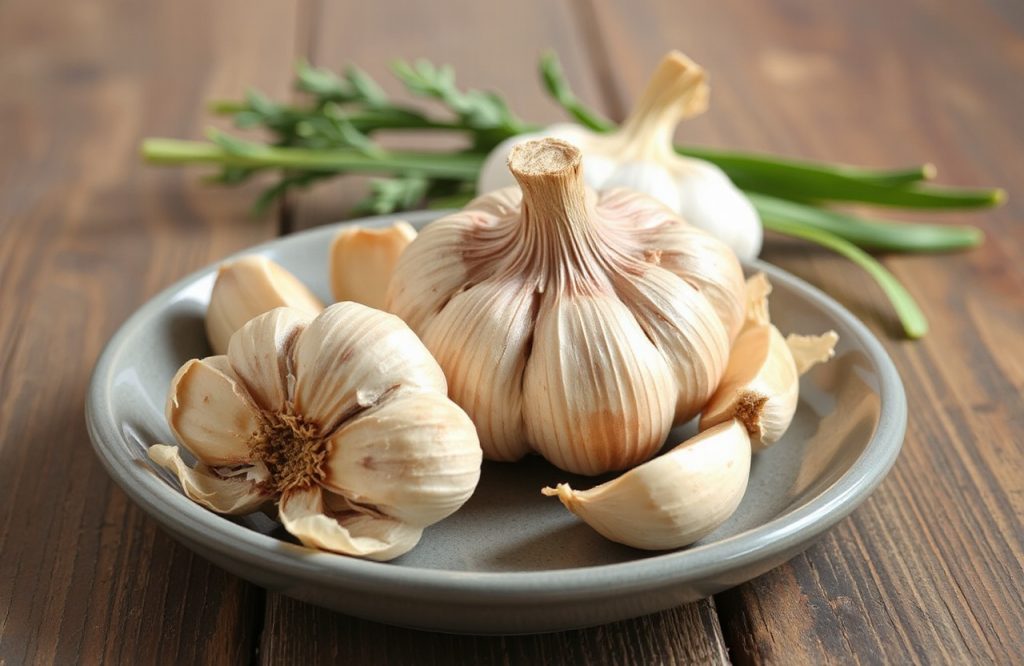
Exploring the Health Benefits of Garlic (Allium sativum)
Introduction
Garlic, scientifically known as Allium sativum, has a long history as a dietary supplement aimed at alleviating various health issues. This article examines the credibility of the purported health benefits associated with garlic consumption.
What is Garlic?
Garlic is the edible bulb derived from a plant belonging to the lily family. It has been utilized as a dietary supplement for conditions such as high cholesterol, high blood pressure, and the common cold. Additionally, it is traditionally consumed for its potential cancer-preventive properties and other health benefits.
Potential Health Benefits of Garlic
Research suggests that garlic may offer several health advantages, including stabilizing blood pressure, enhancing immune function, protecting against infections, and supporting cardiovascular health. Fresh garlic, garlic powder, and garlic oil are commonly used to flavor foods. Garlic supplements are also available in forms such as tablets and capsules, and garlic oil can be applied topically.
1. Lowering Cholesterol Levels
The impact of garlic on cholesterol levels remains uncertain. Some studies indicate that the effect of garlic on lowering cholesterol is minimal, with low-density lipoprotein cholesterol showing no significant reduction. However, clinical analyses suggest that garlic extract may moderately decrease both cholesterol and triglyceride levels in the serum.
2. Treating High Blood Pressure
Garlic may have a role in managing high blood pressure, although the current body of evidence is limited. A 2014 review of 20 studies indicated that garlic supplements could reduce systolic blood pressure by an average of 8–9 mmHg and diastolic blood pressure by 6–7 mmHg in patients with hypertension. These effects are comparable to those of many prescription medications. However, other studies indicate that garlic supplements do not lower blood pressure in individuals without hypertension, and the effectiveness may vary based on genetics and dietary factors. For instance, a three-month study observed significant variability in blood pressure outcomes, with some participants experiencing reductions of up to 40 mmHg.
3. Preventing Cancer
Research has shown that individuals who consume higher amounts of dietary garlic may have a lower risk of developing certain cancers, such as stomach and colorectal cancers. However, there is no conclusive evidence that garlic supplements effectively reduce the risk of these cancers. The National Cancer Institute acknowledges garlic’s potential anticancer properties but does not recommend its use in supplement form for cancer prevention.
4. Treating the Common Cold
The National Institutes of Health has not found sufficient evidence to confirm that garlic is effective in treating the common cold. A review of eight studies found only one valid study, which involved 146 participants over three months. Participants were divided into two groups, with one receiving a placebo and the other taking garlic supplements. This study revealed that those taking garlic supplements experienced fewer colds—24 occurrences compared to 65 in the placebo group. However, the duration of illness was similar for both groups.
Garlic Safety Considerations
While garlic is generally regarded as safe, consuming garlic products, especially raw garlic, can lead to side effects such as unpleasant breath and body odor, heartburn, flatulence, nausea, diarrhea, and stomach upset. Additionally, garlic may increase the risk of bleeding, making it essential to consult with a healthcare provider if taking other blood-thinning medications. There is also evidence suggesting that garlic may interfere with the effectiveness of certain HIV medications.
Conclusion
Although garlic has been associated with various health benefits, further research is necessary to fully validate these claims. Individuals considering garlic supplements should discuss their use with a healthcare professional to ensure safety and efficacy.
References
– Garlic by the NIH: National Center for Complementary and Integrative Health. Last modified September 2016.
– Lissiman E, Bhasale AL, Cohen M. Garlic for the common cold. Cochrane Database of Systematic Reviews 2014, Issue 11. Art. No.: CD006206.
– Ried K, Fakler P. Potential of garlic (Allium sativum) in lowering high blood pressure: mechanisms of action and clinical relevance. Integr Blood Press Control. 2014;7:71–82. Published 2014 Dec 9.