Floatation Therapy: A Potential Relief for Anxiety and Depression
The Concept of Floatation Therapy
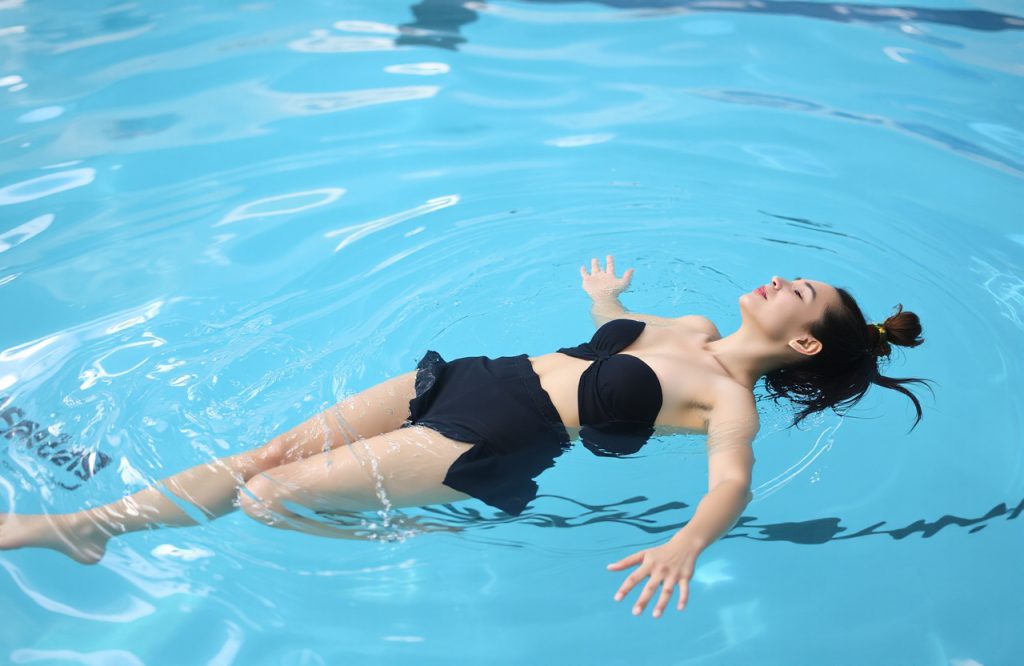
Floatation therapy is designed to minimize external sensory input affecting the body. This method restricts stimuli from our senses, including smell, touch, sight, hearing, and taste. Participants float in a shallow pool of water enriched with Epsom salts, which enables them to remain buoyant with their faces above the water.
Research Findings on Floatation Therapy
A study published in PLOS ONE investigated the impact of floatation therapy on anxiety, stress, and depression within a clinical sample in the United States. The results indicated that approximately 75% of participants experienced greater relaxation compared to other techniques they had previously tried. Additionally, all participants expressed a desire to experience floatation therapy again.
Implications of the Study
The findings suggest that even a single session of floatation therapy can enhance mood and alleviate anxiety. This points to the possibility that multiple sessions may lead to even more significant improvements in reducing symptoms associated with anxiety and depression.
Further Reading
To learn more about floatation therapy and the associated study, click here.
Reference
Feinstein, J. S., Khalsa, S. S., Yeh, H., Wohlrab, C., Simmons, W. K., Stein, M. B., & Paulus, M. P. (2018). Examining the short-term anxiolytic and antidepressant effect of Floatation-REST. PLoS ONE, 13(2): e0190292. https://doi.org/10.1371/journal.pone.0190292