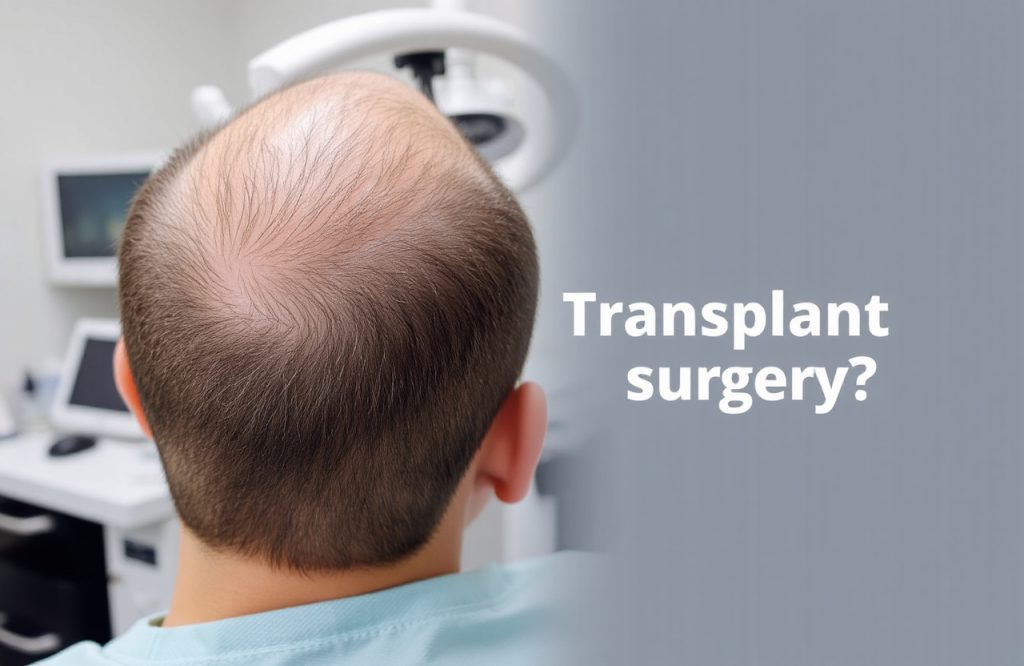
Does Hair Transplant Surgery Work for People Experiencing Hair Loss?
Overview of Hair Transplant Surgery
Hair transplant surgery can indeed be effective for individuals facing hair loss. Modern techniques can yield natural and enduring results when performed by a qualified hair transplant surgeon. A well-executed procedure can enhance hair density, reshape the hairline, and boost overall confidence in one’s appearance.
Key Takeaways
– Hair transplantation can offer natural and lasting results if conducted by a skilled surgeon and with an adequate donor area.
– Advanced methods, such as Follicular Unit Extraction (FUE) and Follicular Unit Transplantation (FUT), utilize resistant donor hairs in thinning areas, with full results typically observable after a year or more.
– Candidates should maintain realistic expectations, as coverage is contingent on the availability of donor hair and may require additional treatments to support existing hair.
– Effective aftercare, healthy lifestyle choices, and regular follow-up appointments are essential to safeguard new grafts and enhance the quality of growth.
Understanding How Hair Transplant Surgery Works
To grasp the mechanics of hair transplant surgery, it is essential to understand its fundamentals. The surgeon extracts hair follicles from a robust donor site and implants them into thinning areas. Following a healing period, these transplanted hairs grow back, appearing natural. However, achieving full results may take several months.
What Is the Hair Transplant Donor Area?
The donor area is typically located on the back or sides of the scalp, where hair follicles are resistant to thinning and grow for an extended period. This region plays a crucial role in determining the number of grafts available for transplantation. A thorough assessment of the scalp’s health and condition is necessary to ascertain candidacy for the procedure.
Donor Site Characteristics
The characteristics of the donor site significantly influence the final density and natural appearance of the transplanted hair. Surgeons must exercise caution to avoid overharvesting, which could lead to thinning patches. Careful planning is essential for maintaining balance across the scalp. Patients should also adhere to recovery protocols to minimize swelling and protect the grafts.
Hair Transplant Methods: FUE and FUT
Two prevalent techniques in hair transplantation are Follicular Unit Extraction (FUE) and Follicular Unit Transplantation (FUT). Both methods can yield satisfactory results when executed by experienced surgeons.
FUE Technique
In the FUE method, the surgeon extracts individual hair follicles using small instruments, resulting in minimal scarring and a quicker recovery time.
FUT Technique
Conversely, the FUT method involves removing a thin strip of skin from the donor area, from which hair follicles are then isolated. This technique can provide a larger number of grafts in a single session but may leave a linear scar.
Choosing Between FUE and FUT
The decision between FUE and FUT depends on individual needs, hair type, and long-term goals. Surgeons will consider these factors when recommending the most suitable method.
How Does Hair Transplant Surgery Work Over Time?
Initially, the transplanted hair may remain dormant beneath the skin. Over several months, new hairs will begin to emerge, with final results often taking a year or longer to fully materialize. Shedding in the initial weeks is common and should not be interpreted as a failure of the procedure.
Does Hair Transplant Surgery Always Work?
While many patients experience success with hair transplant surgery, results can vary based on the surgeon’s expertise, the quality of the donor supply, and the patient’s overall health. Some individuals may require multiple sessions for optimal results.
Hair Restoration Surgery and Realistic Expectations
Hair restoration surgery aims to help patients set achievable expectations. While full coverage of extensive bald areas may not be feasible, the procedure can effectively restore framing and reduce visible scalp. Surgeons will clarify the potential outcomes during consultations, emphasizing that additional treatments may enhance results.
Areas of the Scalp Treated by Transplant
Surgeons can address various parts of the scalp, including the hairline, crown, and mid-scalp. Each section necessitates a customized approach, with careful marking of bald spots before the procedure to ensure even placement.
Candidate for Hair Transplant Surgery
Ideal candidates for hair transplant surgery typically exhibit a robust donor supply, a stable pattern of hair loss, and good overall health. Younger patients may require careful planning to preserve grafts for future needs.
Side Effects and Recovery Considerations
Mild side effects such as redness, swelling, itching, or soreness are common but generally resolve quickly. In some cases, numbness may persist longer. To protect new grafts, patients should avoid strenuous activities and consider sleeping with their heads elevated to reduce swelling.
The Role of Surgeon Expertise
Selecting a qualified surgeon is critical for successful hair transplant outcomes. Well-established clinics, particularly in major cities like NYC, employ experienced professionals who understand donor hair management and natural design creation. Patients should be cautious of low-cost clinics that may compromise quality and safety.
Long-Term Maintenance of Transplanted Hair
While transplanted hairs are typically resistant to thinning, natural hair may still experience loss. Some patients may opt for touch-up procedures. Maintaining healthy habits, such as a balanced diet, proper scalp care, and stress management, can support the longevity of hair growth.
Hairs Grow in Stages After Transplant
Hair growth occurs in cycles, and early shedding can be alarming for patients. Post-healing, new hairs often grow thicker over time. Regular follow-up visits are important to monitor progress, and doctors may recommend additional treatments if growth appears sluggish.
Common Questions About Effectiveness
Patients frequently inquire about the effectiveness of hair transplant surgery. While the success rate is generally high, outcomes depend on various factors, including the surgeon’s skill and the patient’s health.
Maintaining the Donor Area After Surgery
Post-surgery care tips for the donor area include:
– Gentle washing
– Avoiding harsh products
– Protecting from sun exposure
Once healed, the donor site typically blends well with the surrounding hair.
When to Consider Non-Surgical Options First
For individuals experiencing early hair loss, non-surgical treatments may prove beneficial. Medications can help preserve existing hair and delay the need for surgical intervention. Consulting with a physician can help determine the best approach.
When to Expect Final Results
Typically, final results of hair transplant surgery are visible after several months, with most patients noticing significant improvements within a year.
Conclusion: Does Hair Transplant Surgery Work?
In summary, hair transplant surgery is a viable option for many individuals seeking to address hair loss. With a sufficient donor supply, careful planning, and realistic expectations, contemporary techniques can deliver natural and enduring results. While individual outcomes may vary, many patients report enhanced coverage and increased confidence following the procedure.