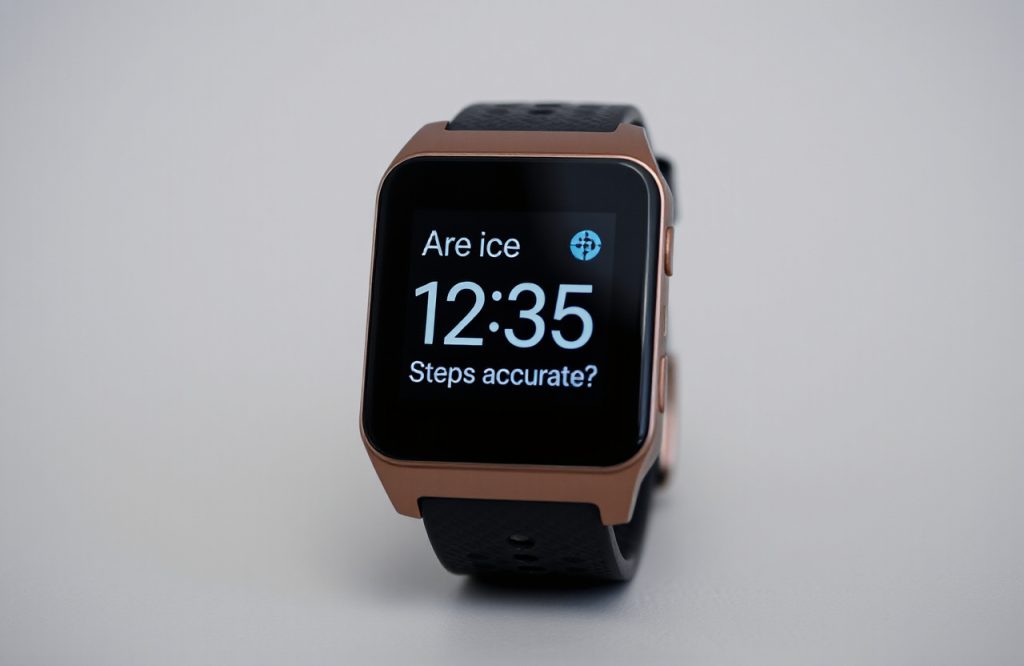
Understanding the Accuracy of Fitness Wristband Step Counts
The 10,000-Step Challenge and Its Implications
As the 10,000-step challenge garners popularity, it raises questions about the accuracy of step trackers like Fitbit. With many individuals striving to meet this daily goal, it is essential to understand how accurately these devices track movement.
Impact of Sedentary Lifestyles
The rise of technology and convenience has contributed to increased sedentary behaviors, leading to a decline in physical activity. In the 1970s, only 20% of jobs were classified as ‘lightly active,’ largely involving desk work. Today, this percentage has more than tripled. Consequently, the prevalence of chronic health conditions has increased globally, with research indicating that habitual inactivity is linked to cardiovascular disease, obesity, and cancer.
Global Health Recommendations
The World Health Organization advises adults aged 18-64 to engage in at least 150 minutes of moderate-intensity aerobic activity weekly. Aiming for 10,000 steps daily is regarded as an indicator of an active lifestyle, distinguishing active individuals from those classified as sedentary (fewer than 5,000 steps daily).
The Role of Pedometers in Promoting Activity
To encourage physical activity, technology companies have developed user-friendly pedometers that track steps based on hand or hip movements. This technological advancement aims to motivate adults to be more active.
Evaluating Fitbit’s Step Counting Accuracy
Fitbit’s Market Presence
Fitbit holds a significant share of the activity monitor market, with over 25 million devices sold. These devices not only track steps but also allow users to monitor their overall health, including heart rate, sleep patterns, and nutrition, fostering community interaction through social media.
Research on Fitbit Flex Accuracy
A study conducted in Cairns, Australia, assessed the accuracy of the Fitbit Flex by comparing its step counts to direct laboratory observations and the Actigraph GT3X+, a validated accelerometer. Twenty-five healthy students participated in the study, wearing both devices during various physical activities.
Study Methodology
The participants underwent baseline assessments and were fitted with the Fitbit Flex and the Actigraph GT3X+. They performed a series of exercises, including walking and jogging, while researchers recorded their step counts through video observation. The data collected was analyzed to compare the accuracy of both devices.
Findings on Step Count Variability
The study revealed that the Fitbit Flex often undercounted steps, particularly during walking. On average, Fitbit’s counts were 15% lower than direct observations, with significant discrepancies observed in free-living conditions. However, the device performed better during jogging compared to the Actigraph.
General Accuracy of Fitbit Devices
Overall, the findings suggest that while Fitbit devices demonstrate moderate validity in step counting, their accuracy varies based on the type of activity. Wrist-worn accelerometers like Fitbit are generally less precise than waist-worn alternatives. Nonetheless, their ease of use and ability to provide real-time data can encourage increased physical activity.
Conclusion and Future Considerations
Fitbit trackers, such as the Fitbit Flex, serve as valuable tools to promote physical activity and counter sedentary behaviors. Their capacity to deliver immediate feedback on activity levels can significantly impact overall health and wellness. Further research is necessary to enhance the precision of these devices, ensuring they remain effective health tools for consumers.
References
Owen, N., Sparling, P. B., Healy, G. N., Dunstan, D. W., & Matthews, C. E. (2010). Sedentary Behavior: Emerging Evidence for a New Health Risk. Mayo Clinic Proceedings, 85(12), 1138-1141. doi:10.4065/mcp.2010.0444
Sushames, A., Edwards, A., Thompson, F., Mcdermott, R., & Gebel, K. (2016). Validity and Reliability of Fitbit Flex for Step Count, Moderate to Vigorous Physical Activity and Activity Energy Expenditure. Plos One, 11(9). doi:10.1371/journal.pone.0161224
Physical Activity and Adults. (2015, June 19). Retrieved October 04, 2020, from https://www.who.int/dietphysicalactivity/factsheet_adults/
Australia’s Physical Activity & Sedentary Behaviour Guidelines for Adults (18-64 Years). (n.d.). Retrieved October 04, 2020, from https://www.10000steps.org.au/articles/australias-physical-activity-sedentary-behaviour-guidelines-adults-18-64-years/