Do We Need 10,000 Steps a Day for Cardiovascular Benefits?
New Study Findings
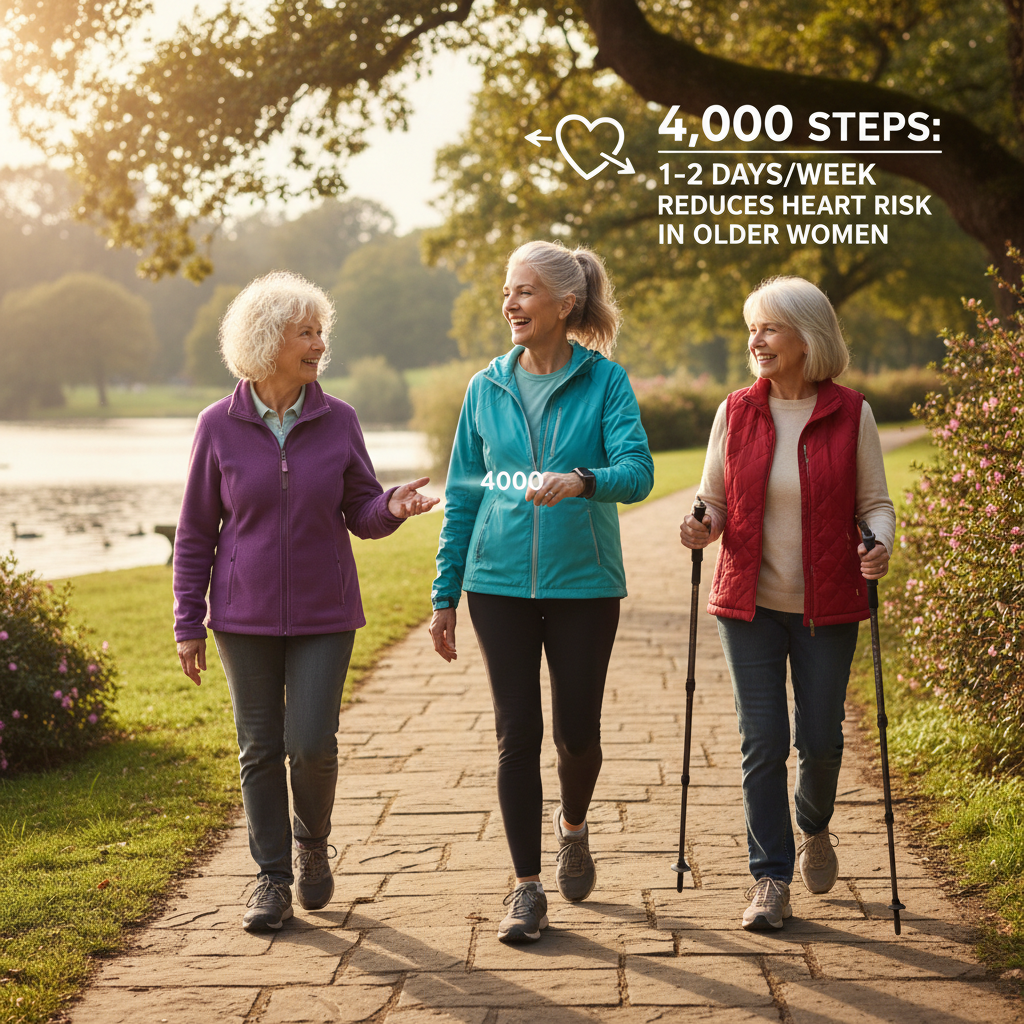
Recent research indicates that achieving fewer than 10,000 steps may still provide significant cardiovascular benefits. A study reveals that older women, especially those aged 55 and above, can reduce their risk of heart disease by taking as little as 4,000 steps just one or two days a week.
The Importance of Physical Activity
Historically, numerous studies have highlighted the increased risk of heart disease among older women, particularly during and after menopause. To mitigate this risk, various lifestyle modifications have been recommended, including increased physical activity.
Current Statistics on Cardiovascular Disease
According to the World Health Organization (WHO), cardiovascular disease remains the leading cause of death globally, accounting for approximately 19.8 million fatalities in 2022.
Modifiable Lifestyle Changes
Research emphasizes several lifestyle changes that can lower cardiovascular disease risk. These include quitting smoking, adopting a heart-healthy diet, managing stress levels, and engaging in regular physical activity.
Step Count Recommendations
One approach to enhance physical activity is by setting daily step count goals. Studies have shown that walking 7,000 steps a day can contribute to a lower heart disease risk. Additionally, research indicates that walking more than 3,000 steps daily can reduce the likelihood of significant cardiovascular events by 17%.
Key Takeaway from Recent Research
The latest findings published in The British Journal of Sports Medicine reinforce the notion that even modest increases in physical activity, such as taking 4,000 steps on one or two days a week, can lead to a decreased risk of cardiovascular disease and mortality among older women.