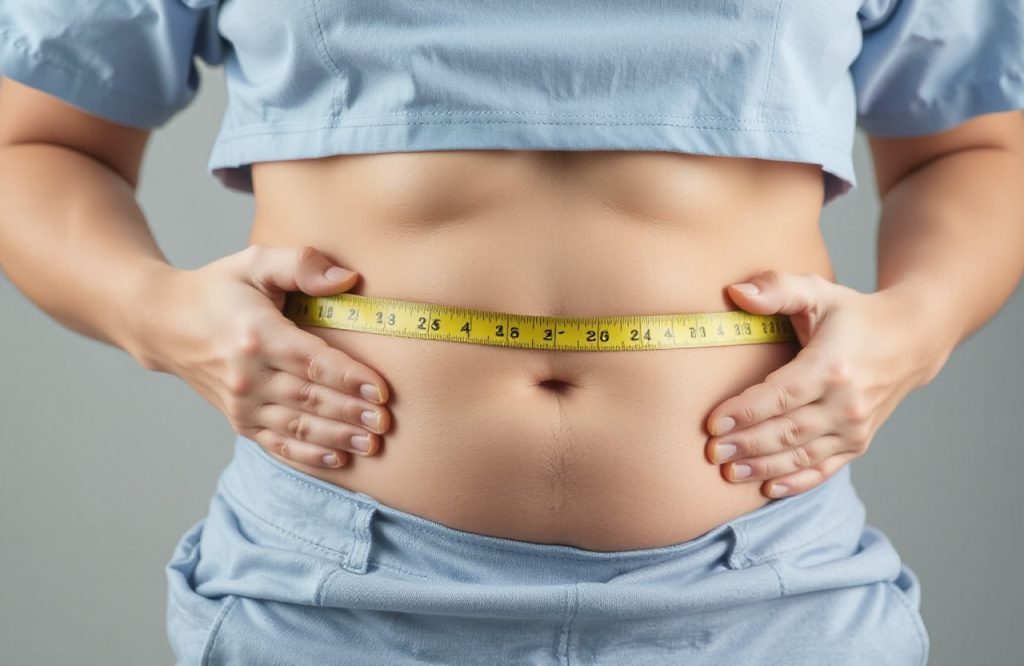
Understanding the Mechanisms of Weight-Loss Surgery
Research Insights by Hagman and Colleagues
The mechanisms by which weight-loss surgery improves health in obese patients remain largely unclear. A study conducted by Hagman and colleagues sought to explore these mechanisms and found that post-surgery health improvements are not associated with reduced inflammation.
The Obesity Epidemic
Currently, over one-third of adults in the United States are classified as obese. Obesity significantly diminishes quality of life, restricts mobility, and is linked to various health conditions, including heart disease and diabetes. Additionally, obesity is associated with chronic inflammation, a condition where the immune system is actively combating pathogens or, in cases of autoimmune disorders, attacking the body itself. This widespread inflammation may contribute to the health issues associated with obesity, stemming primarily from inflammation in adipose tissues, or fat cells.
Bariatric Surgery Overview
Bariatric surgeries, commonly referred to as weight-loss surgeries, include procedures like gastric bypass, which effectively decrease the stomach’s size and physically limit food intake. These surgeries have proven highly effective in treating obesity, leading to significant weight loss and alterations in patients’ metabolic and hormonal profiles.
Study Design and Findings
In the study published in *Metabolism Clinical and Experimental*, Hagman and colleagues investigated whether a decrease in inflammation within adipose tissue aids in improving metabolism after bariatric surgery. The research involved a sample of 14 patients who underwent bariatric surgery. Researchers met with these patients at three intervals: two weeks before surgery, four to six weeks post-surgery, and six to twelve months later. Each session involved assessing standard body measurements, estimating body mass index (BMI), testing glucose tolerance, and collecting adipose tissue samples to evaluate immune activity, which indicates inflammation levels.
One month after surgery, patients exhibited notable weight loss and enhancements in metabolic profiles. However, inflammation levels generally remained unchanged from pre-surgery measurements, with patients displaying an increased quantity of neutrophils, a type of immune cell. One year post-surgery, both weight loss and metabolic improvements persisted, yet general inflammation had increased. Although several hormones associated with inflammation decreased in adipose tissues, the presence of neutrophils was even more pronounced than before.
Conclusions and Implications
Hagman and colleagues concluded that bariatric surgeries do not lead to a reduction in adipose tissue inflammation, and that decreased inflammation does not account for the improved metabolic profiles observed in patients post-surgery. The outcomes of this study, along with others, yield mixed results that complicate interpretation. It is possible that inflammation levels cannot be accurately assessed until patients stabilize at their new weight. Furthermore, the adipose tissues and fatty acids released during weight loss may trigger an inflammatory response as the immune system strives to manage fat cell growth.
Written by: C. I. Villamil