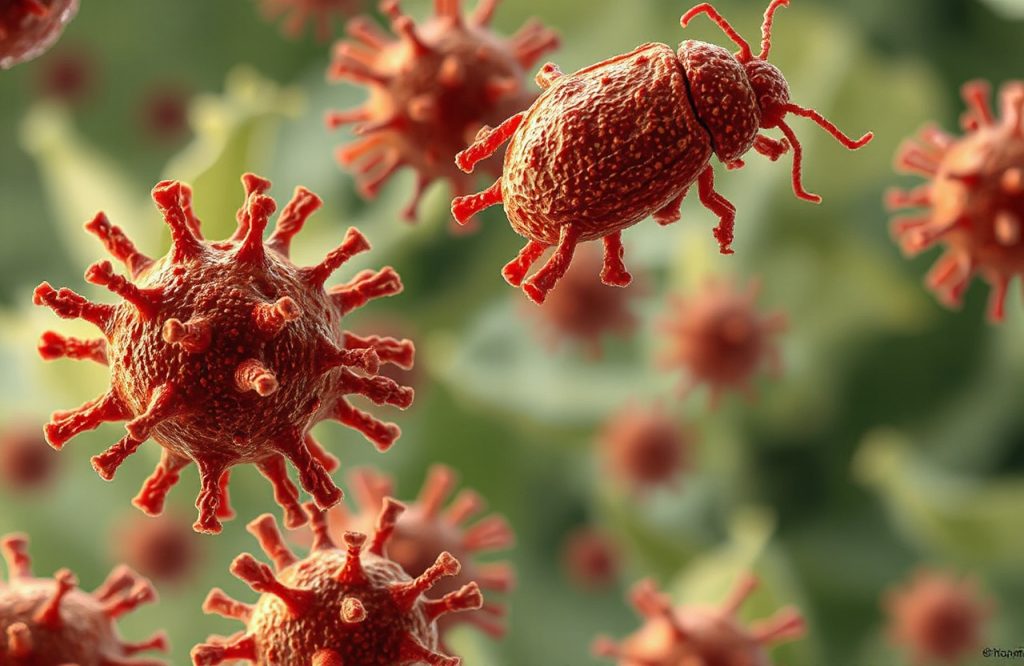
The Challenge of Antibiotic-Resistant Bacteria
Global Health Threat
The emergence of antibiotic-resistant bacteria presents a significant and ongoing global health challenge. The World Health Organization (WHO) has initiated a study aimed at identifying key targets in the battle against these resistant strains.
The Necessity for Research
The prevalence of virulent bacteria that are resistant to pharmaceutical interventions has escalated, raising concerns among healthcare professionals. The WHO has long emphasized the critical need for dedicated research programs focused on antibiotic resistance to avert dire public health scenarios.
However, numerous scientific, regulatory, and economic obstacles have hindered the research and development of new antibiotics, resulting in a disconnect between the urgent need for new treatments and the progress in developing them.
Challenges in Research and Development
Recruiting patients for clinical trials and maintaining these studies can be both costly and logistically complex, particularly for trials involving multi-drug-resistant bacteria. Researchers face the challenge of balancing the need for sufficient patient recruitment to yield reliable results while minimizing the risk of fostering resistance through excessive exposure to antibiotic treatments.
These complications have contributed to a stagnation in the discovery of new antibiotic agents. Notably, the last novel class of antibiotics targeting gram-negative bacteria, which are among the most resistant, was identified in 1962. In contrast, research on gram-positive bacteria has been more fruitful, with two new classes—lipopeptides and oxazolidinones—approved in the last two decades. Currently, the few intravenous antibiotics advancing to phase 3 trials are merely modifications of existing antibiotic classes.
WHO’s Global Antibiotic Research and Development Partnership
Initiative for New Treatments
To enhance the development of new antibiotic treatments, the WHO established the Global Antibiotic Research and Development Partnership. This initiative aims to tackle antimicrobial resistance more effectively. Member states contributed to the creation of a priority list of antibiotic-resistant bacteria to guide research efforts.
An interdisciplinary team from the WHO, alongside global experts in infectious disease, clinical microbiology, public health, and pharmaceutical research, coordinated the project. Their findings were published in The Lancet Infectious Diseases.
Establishing Priorities
The coordinating group identified and ranked 20 bacterial species based on various criteria, such as mortality, health burden, community impact, transmissibility, prevalence, resistance trends, preventability, treatability, and existing treatment pipelines. Data for these criteria were gathered from comprehensive databases, systematic reviews, national and international surveillance systems, and established guidelines.
The priorities were categorized into three tiers: critical, high, or medium priority. A preference-based survey was distributed to 74 preselected international experts to ensure a balanced representation across geographic origin, gender, and expertise. The survey was conducted from December 19, 2016, for a duration of 26 days, allowing participants to assign priorities based on the established criteria. A statistical analysis of the collected data led to the formation of a final priority list.
Identified Priority Bacteria
Top Priority Species
The study identified Mycobacterium tuberculosis as the highest priority bacterial species, known for its association with infectious lung disease. Critical priority was given to several gram-negative bacteria, including carbapenem-resistant Acinetobacter baumannii, Pseudomonas aeruginosa, and Enterobacteriaceae.
For gram-positive bacteria, vancomycin-resistant Enterococcus faecium and methicillin-resistant Staphylococcus aureus were classified as high priority. Additionally, high-priority gram-negative bacteria included clarithromycin-resistant Helicobacter pylori and fluoroquinolone-resistant Campylobacter pylori, both of which are linked to gastric ulcers and stomach cancer. Neisseria gonorrhoeae and Salmonella typhi were also highlighted as high-priority due to their role in community-acquired infections.
Future Research Directions
The authors of the study express hope that the WHO’s priority list will guide future research and development initiatives. Given the extensive costs and time associated with pharmaceutical research, such prioritization is essential for effectively addressing antibiotic resistance on a global scale.
Reference
Tacconelli E et al, WHO Pathogens Priority List Working Group. Discovery, research, and development of new antibiotics: the WHO priority list of antibiotic-resistant bacteria and tuberculosis. Lancet Infect Dis. 2018 Mar;18(3):318-327. doi: 10.1016/S1473-3099(17)30753-3. Epub 2017 Dec 21.