New Zealand Study on Whole Grain Foods and Health
Overview of Whole Grain Foods
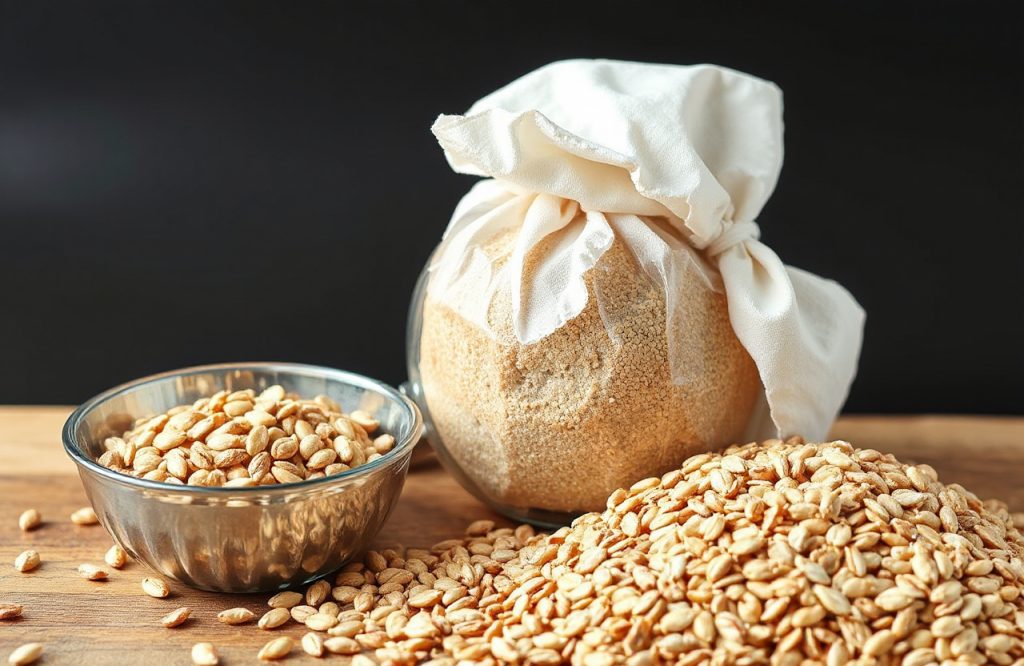
A recent study from New Zealand, published in The Lancet, provides insights into the recommended consumption of whole grain foods for disease prevention and overall wellness. Whole grain foods, which encompass barley, brown rice, buckwheat, oatmeal, and whole wheat products, have been associated with numerous health benefits. These foods, along with fruits and vegetables, serve as excellent sources of fiber, starches, and essential vitamins. Individuals suffering from heart diseases, diabetes, and certain types of cancer are encouraged to incorporate whole grain products and vegetables into their diets regularly to enhance their health.
Lack of Quantitative Guidelines
Despite the established benefits of whole grains, there is a notable absence of specific quantitative dietary guidelines tailored to particular disorders. Professor Jim Mann from the University of Otago, New Zealand, notes in a press release, “Previous reviews and meta-analyses have usually examined a single indicator of carbohydrate quality and a limited number of diseases, making it difficult to determine which foods to recommend for protecting against a variety of conditions.” This indicates that healthcare professionals currently lack sufficient scientific evidence to provide precise recommendations on fiber and whole grain intake for specific health issues. Professor Mann is actively involved in addressing this gap.
Research Findings on Fiber Consumption
In their study, Mann and his colleagues analyzed nearly 40 years of scientific research focused on carbohydrate quality and its relationship to non-communicable diseases. They specifically explored how the quality of carbohydrates consumed influences mortality rates and the incidence of major diseases.
The findings indicate that individuals with the highest fiber intake experience a 15-30% reduction in mortality from all causes, including heart-related events, compared to those with the lowest intake. Additionally, a diet rich in fiber is associated with a 16-24% decrease in the incidence of coronary heart disease, stroke, type 2 diabetes, and colorectal cancer. The researchers concluded that approximately 30 grams of fiber per day is necessary to promote good health and additional benefits. Whole grain foods, pulses, fruits, and vegetables are identified as the best sources of dietary fiber. However, current consumption levels are concerning; adults in the UK and the US typically consume only about 20 grams and 15 grams of fiber daily, respectively.
Study Limitations and Future Implications
While the study is significant, it has limitations, notably its focus on healthy adults. Nevertheless, the findings are crucial for establishing clear dietary guidelines. The World Health Organization, which sponsored this research, plans to utilize these results in the development of evidence-based dietary recommendations.
Conclusion
The research by Mann and his team sheds light on the importance of whole grain and fiber consumption in promoting health and preventing diseases. As further studies are conducted, clearer guidelines may emerge to help individuals make informed dietary choices.
Reference
Reynolds A, Mann J, Cummings J, Winter N, Mete E, Morenga LT. Carbohydrate quality and human health: a series of systematic reviews and meta-analyses. The Lancet. 2019.