Global Impact of Diabetes
Diabetes currently affects approximately 422 million individuals globally, with a significant concentration in low- and middle-income countries. Notably, the prevalence of this condition has surged dramatically over the past three decades.
Benefits of Whole Grains in Diabetes Management
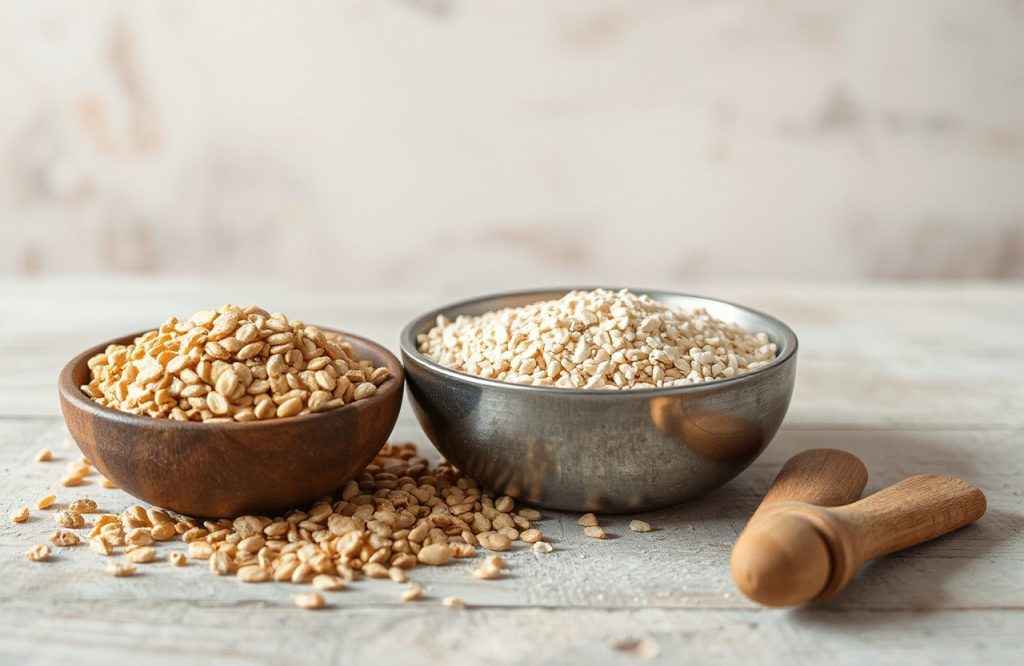
Whole grain-rich diets play a crucial role in diabetes management. They contribute to weight loss, boost metabolism, lower blood sugar levels, and decrease the risk of heart disease, obesity, and cancer. Research indicates that specific foods, such as whole grain breakfast cereals and brown rice, can effectively reduce the risk of developing type 2 diabetes.
Exploring Additional Whole Grain Foods
In light of these findings, researchers aimed to investigate whether other whole grain options, including oatmeal, dark bread, popcorn, wheat germ, and added bran, could offer similar benefits.
Research Study Overview
A study conducted by researchers from the Department of Medicine at Brigham and Women’s Hospital and Harvard Medical School examined the relationship between whole grains and diabetes risk. The results were published in the journal BMJ.
Data Collection Methodology
The researchers utilized data from three significant studies involving healthcare workers: the Nurses’ Health Study, Nurses’ Health Study II, and the Health Professionals Follow-up Study. Initial questionnaires were administered to gather information on participants’ medical history, lifestyle choices, and dietary habits. Individuals with prior diagnoses of type 2 diabetes, heart disease, or cancer were excluded from the study. Every four years, participants updated their questionnaires, indicating any new diagnoses of type 2 diabetes or other diseases. In total, the studies included 194,784 participants, with men comprising 18.8% of the cohort.
Assessment of Whole Grain Intake
The questionnaires required participants to report their frequency and quantity of consumption of various foods, including cold breakfast cereals, dark bread, popcorn, oatmeal, bran, wheat germ, and brown rice. Specific brands were also provided to help participants accurately identify their consumption patterns. This data was crucial in assessing the intake of whole grains from the foods consumed.
Follow-Up and Analysis
When a participant was diagnosed with type 2 diabetes during the study, they completed an additional questionnaire, allowing researchers to collect further health-related data. The studies spanned an average duration of 29 years.
Statistical Analysis and Findings
The data underwent statistical analysis, with researchers cross-referencing dietary intake with participants’ lifestyle factors, such as alcohol consumption, tobacco use, physical activity levels, and body mass index (BMI). The findings revealed that individuals who consumed the highest amounts of whole grains were 29% less likely to develop type 2 diabetes compared to those with the lowest intake. The whole grain foods associated with this reduced risk included whole grain breakfast cereals, oatmeal, dark bread, brown rice, added bran, and wheat germ.
Conclusion
This research underscores the importance of whole grains in dietary strategies aimed at preventing type 2 diabetes. Understanding the role of various whole grain foods could lead to improved health outcomes for individuals at risk.
References
1. Hu, Y., Ding, M., Sampson, L., Willett, W., Manson, J., & Wang, M. et al. (2020). Intake of whole grain foods and risk of type 2 diabetes: results from three prospective cohort studies. BMJ, m2206.
2. Diabetes. Who.int. (2020). Retrieved 13 July 2020, from https://www.who.int/news-room/fact-sheets/detail/diabetes.
Image by Evita Ochel from Pixabay.