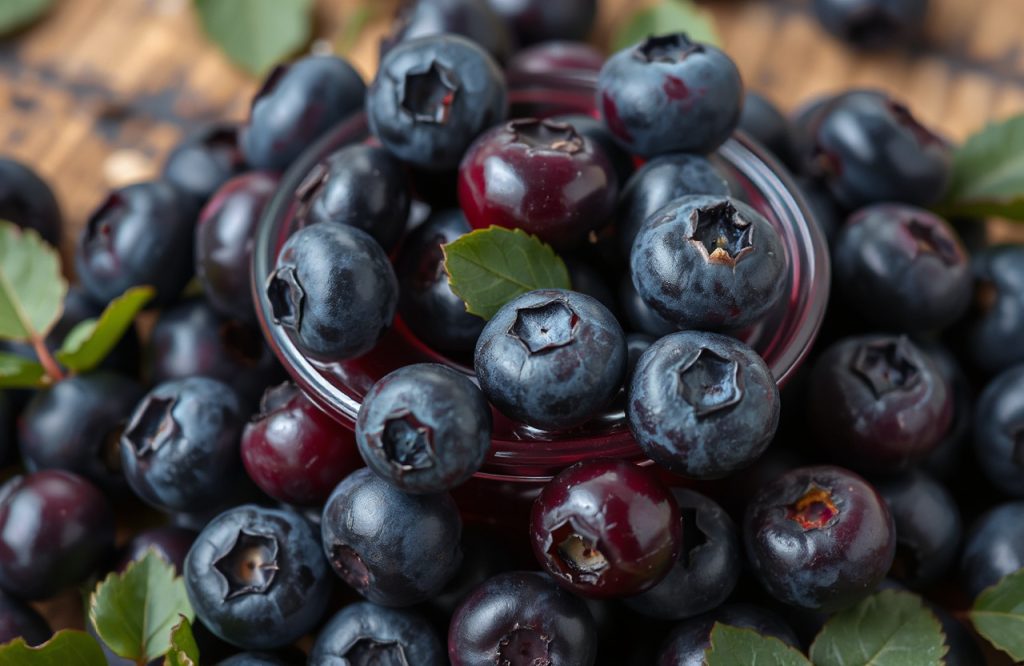
Impact of Wild Blueberry Juice on Systolic Blood Pressure in Type 2 Diabetes Risk
Significance of Heart Health for Diabetic Patients
Research demonstrates that wild blueberry juice consumption can effectively lower systolic blood pressure in individuals at risk of developing type 2 diabetes. Enhancing heart health in type 2 diabetic patients is clinically crucial, as it has the potential to significantly reduce mortality rates. Type 2 diabetes is a prominent risk factor for heart attacks, often resulting from an unhealthy lifestyle, insufficient physical activity, obesity, and aging. Adopting an active lifestyle alongside a plant-based diet may help mitigate the risk of developing type 2 diabetes.
Health Benefits of Blueberries
Various compounds, particularly polyphenols found in plants, offer numerous health benefits. Blueberries are among the richest sources of these polyphenols, including flavonols. Several clinical trials have suggested that blueberry consumption can enhance insulin sensitivity and improve cardiovascular health markers such as blood pressure, oxidative stress, and endothelial function. However, some studies indicate that excessive intake of certain compounds, like anthocyanins, may negatively impact individuals with type 2 diabetes. Consequently, further clinical trials are necessary to establish standard dosages of fruit juice to optimize its potential as a treatment for chronic diseases like diabetes.
Study Overview
A single-blinded study conducted from March to May 2014 involved Canadian men and women aged 22 to 65. The study aimed to evaluate the effects of short-term consumption of 100% wild blueberry juice on type 2 diabetes risk factors. Participants were selected based on criteria including a BMI of 25 kg/m² or higher, waist circumference exceeding 88 cm for females and 102 cm for males, a family history of diabetes or gestational diabetes, and belonging to a high-risk population for type 2 diabetes. Exclusions included individuals with low BMI, those who were pregnant or lactating, and participants with type 1 or 2 diabetes, among others.
Participants were instructed to consume 240 mL of either 100% wild blueberry juice or a placebo while maintaining their regular diet. The blueberries were sourced from Prince Edward Island, Canada, and the juice was prepared at the University of Prince Edward Island Human Nutrition Research Center. The placebo differed from the blueberry juice solely in its polyphenol content, as it contained none.
Results and Findings
Blood pressure, endothelial function, body weight, and cholesterol levels were assessed at the start and conclusion of each weekly treatment period. Throughout the study, no significant changes were observed in total carbohydrate, protein, cholesterol, fiber intake, or body weight. Additionally, endothelial function, glucose regulation, and triglyceride levels remained consistent across both groups. However, the treatment group experienced an average decrease of 4% in systolic blood pressure compared to the placebo group. Notably, participants with pre-hypertension or stage 1 hypertension showed an even greater reduction of 6% following blueberry juice consumption.
The clinical significance of reduced systolic blood pressure is profound, as even a decrease of just 3 mmHg can lower mortality rates by 5 to 8%. Furthermore, nitric oxide levels were found to be elevated in participants consuming blueberry juice compared to those receiving the placebo, potentially due to polyphenol metabolites inhibiting NADPH oxidase and increasing nitric oxide availability in the bloodstream.
Conclusion
Various clinical studies evaluating the effects of blueberry compounds on human health have primarily utilized freeze-dried blueberry powder. Most research agrees that blueberry consumption, in different forms, contributes to lower systolic blood pressure; however, findings regarding other risk factors, particularly insulin sensitivity, remain inconsistent.
Written By: Mandira Manandhar, PhD
Related Topics of Interest
- Pomegranate Seed Oil to Treat Metabolic Syndrome, Inflammation, and Diabetes
- Diet Soda and Pregnancy – Is It Safe?
- Could Resveratrol Be a New Treatment for Diabetes?
- Lifestyle Adaptations for Preventing Diabetes
- Can Stevia Help Prevent Diabetic Neuropathy?
- New Device for Monitoring Glucose and Administering Medication to Diabetic Patients