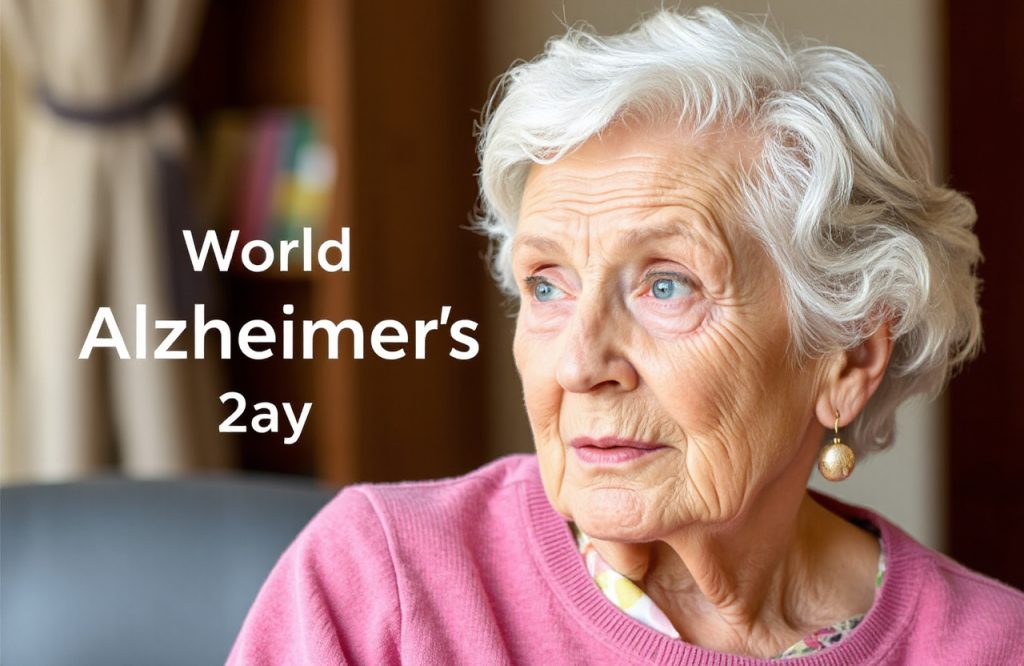
World Alzheimer’s Day: Raising Awareness
Today, September 21, 2018, marks World Alzheimer’s Day, an important occasion dedicated to raising awareness and addressing the stigma associated with Alzheimer’s disease. This condition not only poses challenges to those diagnosed but also significantly impacts family and friends who witness the gradual decline of their loved ones.
Understanding Alzheimer’s Disease
What is Alzheimer’s Disease?
Alzheimer’s disease is the most common form of dementia, which encompasses a range of symptoms and disorders that impair mental functioning. This progressive condition leads to the death of brain cells, resulting in a decline in memory and cognitive abilities. Symptoms typically appear gradually and intensify over time.
The majority of individuals affected by Alzheimer’s are over the age of 65. However, early-onset Alzheimer’s can occur in individuals younger than this. It is crucial to note that Alzheimer’s disease is not a normal aspect of aging and is fatal due to its irreversible nature. Currently, there is no cure, though certain medications can mitigate symptoms and slow disease progression.
Impact of Alzheimer’s Disease
Mental Ability
Alzheimer’s affects an individual’s cognitive functions, including thinking, understanding, remembering, and communicating. Decision-making abilities decline, and performing everyday tasks, such as using the bathroom, may become increasingly difficult. Memory loss can begin with recent events and eventually extend to long-term memories.
Mood Changes
Individuals with Alzheimer’s may experience mood alterations, which can include confusion, depression, anxiety, suspicion, or agitation. Over time, they might lose interest in hobbies and withdraw from social interactions.
Behavioral Changes
Alzheimer’s can lead to unusual behaviors in affected individuals. Common manifestations include increased restlessness, irritability, and physical outbursts, as well as peculiar actions like hiding objects.
Physical Ability
Coordination and mobility may deteriorate, leading to difficulties with walking, swallowing, and personal care tasks, such as bathing.
Notably, individuals showing early signs of Alzheimer’s may not recognize the severity of their condition; often, it is friends and family who first notice these changes.
Latest Research on Alzheimer’s and Dementia
1. Eye Exam and Early Signs of Dementia
Recent studies have shown that retinal nerve thinning may indicate early stages of dementia. Researchers in the Netherlands sought to determine the correlation between thinner retinas and the likelihood of developing dementia. For more details on this study, click here.
2. Social Activities and Cognitive Impairment
With predictions suggesting that by 2040, 16 million people may be diagnosed with Alzheimer’s, the need for effective interventions is critical. A paper in the Journal of Biomedical Science explored how social engagement can potentially slow cognitive decline. To learn more about the impact of social activities, read further here.
3. Chronic Drinking as a Risk Factor
The World Health Organization defines chronic heavy drinking as exceeding 60g of pure alcohol daily for men and 40g for women. A significant study in France investigated the relationship between chronic heavy drinking and early-onset dementia. Discover more about this research here.
4. Midlife Anxiety and Dementia Risk
Given that Alzheimer’s is progressive and irreversible, prevention and early intervention are paramount. A review in BMJ Open examined whether anxiety in midlife could increase the risk of developing dementia. Find out more about this potential link here.
5. Effectiveness of Current Treatments
Dementia significantly affects an individual’s quality of life and can create substantial care costs for families. Researchers have reviewed various medications aimed at preventing or delaying cognitive impairment. Learn more about the effectiveness of these treatments here.
Conclusion
For further insights into Alzheimer’s and dementia research, explore the latest findings here.
Written by Alana Punit
References
“Alzheimer’s Disease”. Alzheimer Society Of Canada, 2018, http://alzheimer.ca/en/Home/About-dementia/Alzheimers-disease. Accessed 13 Sept 2018.
Evans, Jade. “Are Current Treatments Good Enough To Delay Cognitive Decline Or Dementia?”. Medical News Bulletin, 2018, https://www.medicalnewsbulletin.com/current-treatments-good-delay-cognitive-decline-dementia/. Accessed 13 Sept 2018.
Fernandez, Sonia. “Is Chronic Drinking A Risk Factor For Dementia”. Medical News Bulletin, 2018, https://www.medicalnewsbulletin.com/chronic-drinking-risk-factor-dementia/. Accessed 13 Sept 2018.
Fernandez, Sonia. “Midlife Anxiety Diagnosis May Be A Risk Factor For Dementia”. Medical News Bulletin, 2018, https://www.medicalnewsbulletin.com/midlife-anxiety-diagnosis-risk-factor-dementia/. Accessed 13 Sept 2018.
Hughes, Bryan. “Could An Eye Exam Reveal Early Signs Of Dementia?”. Medical News Bulletin, 2018, https://www.medicalnewsbulletin.com/eye-exam-early-signs-dementia/. Accessed 13 Sept 2018.
Villamil, C.I. “Can Social Activities Stave Off Cognitive Impairment Related To Alzheimer’s?”. Medical News Bulletin, 2018, https://www.medicalnewsbulletin.com/social-activities-cognitive-impairment-related-alzheimers/. Accessed 13 Sept 2018.
“What Is Alzheimer’s?”. Alzheimer’s Association, 2018, https://www.alz.org/alzheimers-dementia/what-is-alzheimers. Accessed 13 Sept 2018.