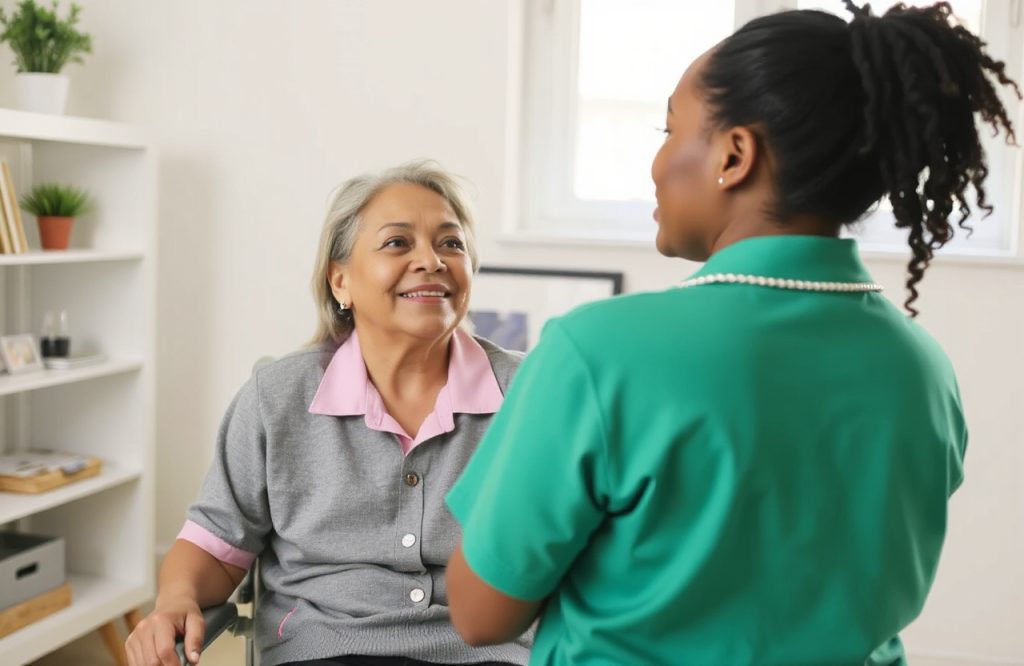
Understanding the Role of a Personal Care Aide
What is a Personal Care Aide?
A personal care aide, also known as a personal care assistant, is a professional dedicated to assisting individuals with physical or psychiatric impairments in completing daily tasks they may struggle with independently. The primary objective of a personal care aide is to enhance their clients’ daily living conditions and overall quality of life. If you find fulfillment in helping others, you might consider pursuing a career in this rewarding field.
Steps to Become a Personal Care Aide
Embarking on a career as a personal care aide can be a fulfilling choice for those who are eager to lend a helping hand. Here are the essential steps to take:
1. Obtain a High School Diploma
Typically, a high school diploma is a prerequisite for becoming a personal care aide. While advanced education is not always necessary, having a diploma can open doors to employment opportunities in this field.
2. Acquire Necessary Certifications
Certifications in caregiving can significantly enhance your employability. Consider obtaining a cardiopulmonary resuscitation (CPR) certification, along with other relevant safety and health certifications. Depending on your state, you may also need to complete PCA training classes before starting work or as a part of ongoing education requirements.
3. Determine Your Preferred Working Environment
Personal care aides operate in various settings, so it is important to identify your preferred working environment. This choice will influence the types of clients you assist, the tasks you perform, and your workload. For example, if you prefer working with individual clients in their homes, consider becoming a home care aide. Conversely, if you are comfortable working with multiple clients simultaneously, a residential facility may be a better fit. Additionally, home caregivers often travel more than facility-based PCAs, as they visit clients in different locations.
Essential Skills for Personal Care Aides
Given the nature of their responsibilities, personal care aides require a unique set of skills. Key competencies include:
Active Listening
Active listening is crucial for understanding clients’ needs and fostering effective communication.
Reliability
Clients depend on personal care aides for support in their daily routines, necessitating a dependable presence.
Time Management
Effective time management is vital, as personal care aides often work in shifts and must coordinate appointments and medication administration without delays.
Empathy
While maintaining professionalism, having empathy helps aides connect with clients on a personal level, enhancing the quality of care.
Communication
Strong communication skills are essential for establishing rapport with clients and understanding their requirements.
Cooking Skills
Many personal care aides prepare meals for clients, making culinary skills beneficial for meeting their nutritional needs.
Physical Strength
Physical strength is advantageous for assisting clients with mobility, such as helping them transition between a wheelchair and a bed or supporting them during physical activities.
Conclusion
To pursue a career as a personal care aide, start by obtaining a high school diploma. Following this, consider acquiring relevant certifications such as first aid or CPR, as these can enhance your qualifications. Numerous agencies and educational institutions offer these certifications, making it easier than ever to take the first step toward your dream career.