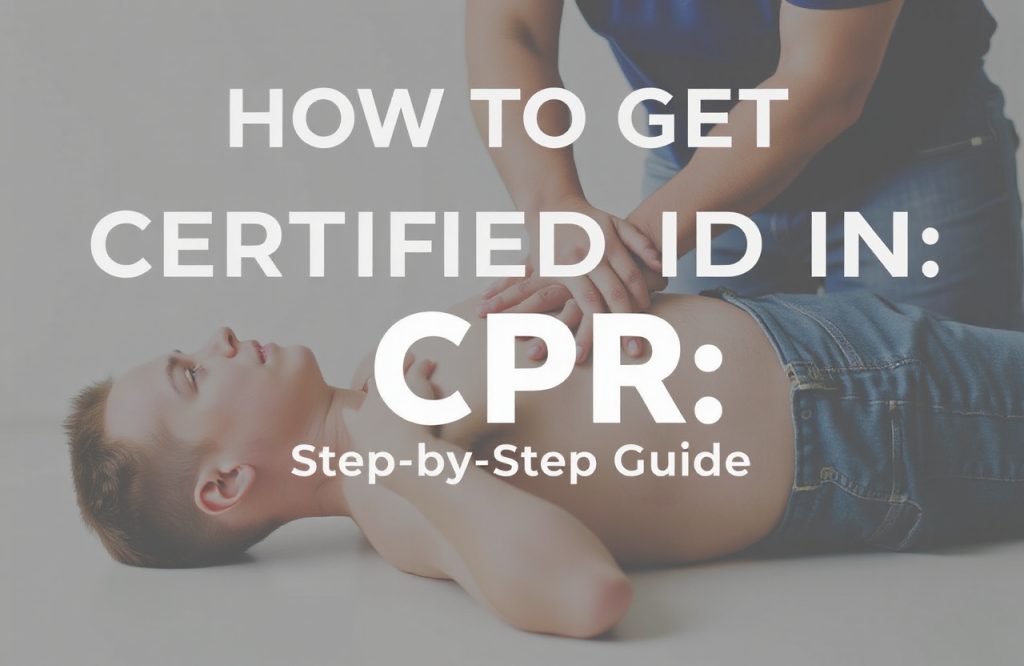
Life-Saving Skills: The Importance of CPR Certification
Understanding the Need for CPR Certification
What would you do if someone beside you suddenly stopped breathing? While such situations are unpredictable, being trained in CPR can make a significant difference. You do not need to be a healthcare professional to learn this vital life-saving skill. With many jobs now requiring certification and the desire to help others, obtaining CPR certification has become more accessible than ever. You can gain the confidence to act decisively when it matters most, all without needing a medical background.
Why CPR Certification is Essential
CPR certification is crucial not only for meeting job requirements but also for effectively responding during emergencies. Many workplaces, including schools, gyms, and offices, mandate CPR training for certain employees. Becoming certified demonstrates your commitment to acquiring essential skills and empowers you to act when someone’s life is at stake.
Selecting the Right CPR Course
Choosing the appropriate CPR course is vital. Basic courses usually cover adult CPR, while some programs also include training for children and infants. Additional training in First Aid and AED use can provide a more comprehensive learning experience. Ensure that the course aligns with your personal goals and is led by a reputable organization with certified instructors.
Enrolling in a Reputable Program
Once you have identified the right course, it’s time to enroll. Numerous schools and organizations offer in-person or online classes that cater to busy schedules and allow you to learn at your own pace. Verify that the program is accredited and recognized by employers or regulatory bodies. For instance, consider the CPR, First Aid, and Bloodborne Pathogens Certification available at https://cprcertificationnow.com/products/cpr-first-aid-bloodborne-pathogens-certification.
Learning and Practicing Key CPR Skills
Gaining practical experience through supervised exercises, whether in-person or simulated online, is essential for mastering CPR techniques. Manikins are often used in these exercises, allowing you to practice in a safe environment. Repeating these actions fosters self-confidence and helps you develop muscle memory.
Completing the Final Assessment
At the end of the course, you will take a short assessment to evaluate your understanding of the material. This may include both written questions and a practical skills test. If you have been attentive and practiced diligently, passing the test should be manageable. Some online courses even allow you to retake the test if necessary. Upon successful completion, you will receive an official CPR certification.
Maintaining Your CPR Certification
CPR certification is typically valid for two years and requires renewal or a refresher course to stay updated with current methods. As new techniques and protocols emerge, it is essential to keep your skills current. Mark your calendar for the renewal date and set reminders to ensure you maintain your certification, demonstrating your readiness to assist when needed.
Your Journey to CPR Certification
Obtaining CPR certification is straightforward and can even be enjoyable. The process involves enrolling in a course, acquiring the necessary skills, taking the test, and becoming equipped to save lives. Certification not only enhances your employability but also provides a sense of security for yourself and those around you. By staying certified, you position yourself as a reliable support in times of need.
Disclaimer
The editorial staff of Medical News Bulletin did not participate in the preparation of this post. The views and opinions expressed here are those of the advertiser and do not reflect those of Medical News Bulletin. Medical News Bulletin does not accept liability for any losses or damages resulting from the use of any products or services mentioned, nor do we endorse the products, services, or links in our Sponsored Articles.